Surrey: Historic County of Great Britain
Surrey is a picturesque county in southeastern England near London: chalk hills, history, and one of the most developed regions in the country.

General Information About Surrey County
Surrey is a historic and ceremonial county located in the southeastern part of Great Britain. This region, part of England, is one of the most picturesque and economically developed areas of the country.
Key characteristics:
- Administrative status: ceremonial and non-metropolitan county
- Territorial belonging: southeastern England
- Administrative center: the city of Guildford
Surrey County represents a unique combination of rich historical heritage and modern development. The region is known for its picturesque landscapes, including the famous chalk hills, and its strategically important location in close proximity to London.
The county's special significance is determined by its role as one of the key regions of the London metropolitan area's "green belt." Surrey combines the functions of an important economic center with territory that has an excellent environmental condition.
Geographic Location and Natural Features
Surrey is located in southeastern England and borders several important regions:
- To the north: Greater London
- To the east: Kent County
- To the south: West and East Sussex counties
- To the west: Hampshire County
Natural Features
The territory's landscape is characterized by diversity. The main natural attractions include:
- The North Downs hills — a limestone ridge stretching across the entire region
- The Thames River valley on the northern border
- Natural forests occupying a significant part of the county's territory
- Numerous parks and protected nature reserves with heathlands and areas of wilderness
Climate
The region is characterized by a temperate maritime climate with the following features:
- Mild winters with an average temperature of around 5°C
- Comfortable summers with an average temperature of 17°C
- Even distribution of rainfall throughout the year
- Favorable conditions for country gardens and gardening
The total area is 1,663 km², making it a relatively compact region. Despite its small size, the territory is distinguished by high ecological value and plays an important role in preserving natural diversity.
Administrative Structure
Surrey has the status of a ceremonial county of Great Britain. The administrative center is the city of Guildford, home to Surrey County Council — the main local government authority.
Administrative Division
It consists of 11 administrative districts:
- Elmbridge
- Epsom and Ewell
- Guildford
- Mole Valley
- Reigate and Banstead
- Runnymede
- Spelthorne
- Surrey Heath
- Tandridge
- Waverley
- Woking
Population
Demographic characteristics:
- Total population: over 1.2 million people
- Population density: around 720 people per km²
- High level of urbanization: over 70% of the population lives in cities
- Significant share of workers in the capital: around 40% of the working-age population
- High demand for homes among Londoners
Governance System
Territory management is carried out at two levels:
Surrey County Council:
- Responsible for strategic planning
- Manages education
- Controls transport infrastructure
- Organizes social services
District councils:
- Decide on local issues
- Manage housing
- Collect local taxes
- Responsible for development planning
History
Origin of the Name
The name "Surrey" comes from the Anglo-Saxon "Sūþrīge," which means "southern district" or "southern kingdom." This name reflects the location of the territory south of the River Thames, which historically served as an important geographic boundary.
Main Historical Periods
Ancient Period
The lands of modern Surrey were settled as far back as the pre-Roman period. Archaeological findings testify to the presence of ancient British tribes here. Important Roman roads passed through the region, including the famous Stane Street.
Medieval Period
During the Anglo-Saxon period, the region was part of the kingdom of Wessex. Key events of this period:
- Formation as an administrative unit (7th century)
- Construction of the first Norman castles after 1066
- Development of monastic estates
- Establishment of the feudal land ownership system
Early Modern Period
Important stages of development in the Early Modern period:
16th-17th centuries:
- The flourishing of textile production
- Development of the glass-making industry
- Construction of aristocratic estates
18th-19th centuries:
- The Industrial Revolution
- Construction of railways
- Formation of modern urban centers
Historical Heritage
Today, many historical monuments are preserved on the territory:
- Medieval churches and cathedrals
- Historic estates and parks
- Archaeological monuments from the Roman period
- Historic industrial sites
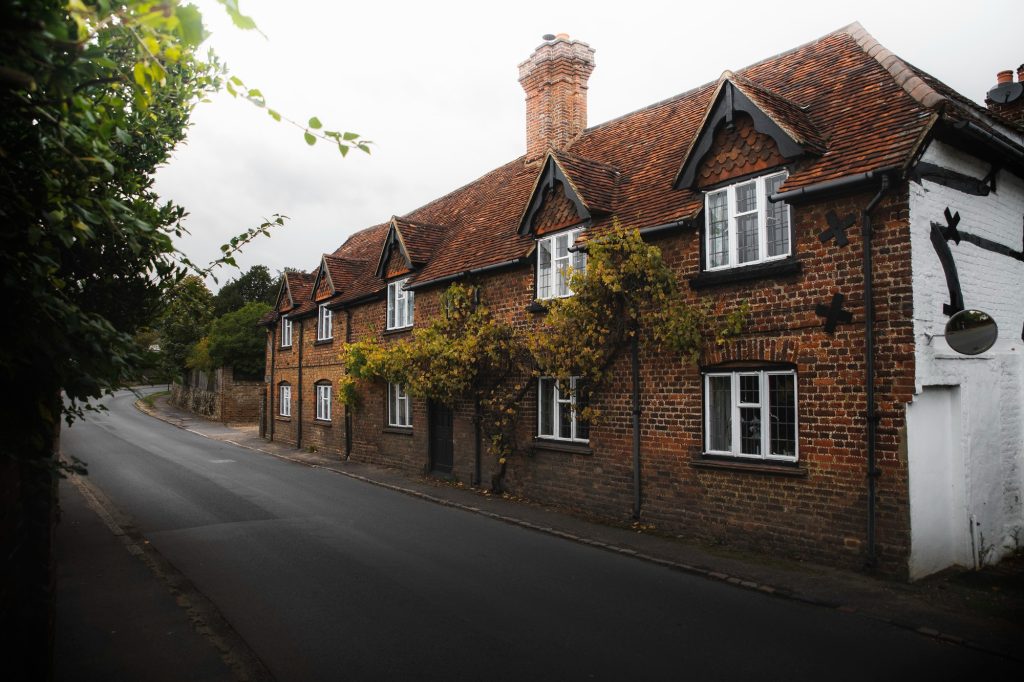
History is inextricably linked with the development of all of Great Britain. Surrey County played an important role in shaping English culture, the country's administrative system, and its economy. Numerous historical monuments and traditions continue to attract the attention of researchers and tourists from around the world.
Modern Surrey
Regional Economy
The region is one of the most economically developed in Great Britain. Key characteristics of the modern economy:
Technology sector:
- Research and development centers
- IT companies
- Technology startups
Financial sector:
- Banking institutions
- Insurance companies
- Investment funds
- High employment rate: over 80% of the working-age population
- Average income 25% above the national average
Transportation System
The well-developed transportation infrastructure includes:
Railway service:
- Direct routes to the capital
- Inter-regional connections
Motorways:
- M25 (London orbital motorway)
- M3 and M23
Proximity to airports:
- Gatwick
- Heathrow
Education
The region is renowned for its high level of education:
University of Surrey:
- Ranks in the top 30 universities in Great Britain
- Known for research in technology
- International recognition
- Royal Holloway
- Numerous colleges and private schools
Attractions and Culture
Main tourist attractions:
Historic estates:
- Clandon Park — a magnificent mansion
- Hampton Court Palace — the palace of King Henry VIII
- Loseley Park — a country estate
- Polesden Lacey — an elegant manor
Towns and districts:
- Guildford with its castle
- Kingston-upon-Thames
- Epsom — famous for its horse racing
- Farnham with a historic center
- Dorking at the foot of the hills
Nature:
- South Downs hills
- Wisley botanical gardens
- Claremont Landscape Garden
Sports and entertainment venues:
- Surrey County Cricket Club
- Sandown Park — a racecourse
- Chessington World of Adventures — an amusement park with numerous attractions
Cultural venues:
- Museums and galleries
- Theaters
- Concert halls
Quality of Life
The region regularly ranks in the top 10 best places to live in Great Britain due to:
- High level of safety
- Well-developed social infrastructure
- Environmental cleanliness
- Proximity to the capital
- Well-developed healthcare system
Conclusion
Significance for Britain
Surrey plays a key role in the development of the modern country:
Economic significance:
- One of the largest regional GDPs
- An important technology and innovation center
- A significant contribution to the national budget
Strategic significance:
- A buffer zone between the capital and the south of the country
- An important transportation hub
- A center of education and science
Development Prospects
The main directions for future development include:
Innovative development:
- Expansion of technology clusters
- Development of research and development infrastructure
- Attracting high-tech companies
Environmental initiatives:
- Programs to preserve natural landscapes
- Development of green energy
- Implementation of environmentally friendly transportation
Social development:
- Improvement of the education system
- Modernization of healthcare
- Development of cultural infrastructure
Challenges and Solutions
The county faces certain challenges:
Demographic pressure:
- Controlled urbanization
- Balanced territorial development
Transport burden:
- Modernization of the transportation network
- Development of public transport
Heritage preservation:
- Monument restoration programs
- Protection of historic sites
Surrey County remains one of the most promising and dynamically developing in England. The combination of rich historical heritage, a developed economy, and high quality of life provides a solid foundation for further sustainable regional development. Its strategic location and innovative potential ensure its key role in future development.


