Pensions in Turkey: Complete Guide for 2026
How Turkey's pension system works, the SGK fund and types of benefits, minimum pension of 20,000 lira — and why the country is becoming increasingly attractive for retirees in 2026.

The pension system is a developed structure of social security that guarantees financial support to Turkish citizens after completing their working life. In 2026, the system continues to function on the basis of public and private insurance, providing various types of pension benefits. Life in Turkey for retirees is becoming increasingly attractive due to the accessibility of real estate in Turkey and quality healthcare.
The foundation is provided by the state fund Sosyal Güvenlik Kurumu (SGK). This institution regulates all aspects of benefits, from collecting contributions to calculating allowances. Foreign buyers can obtain a residence permit or even citizenship in Turkey, which gives them pension rights. Visa-free stay for foreign citizens is limited to 90 days in every 180 days and no more than 60 days in a row; a calculator for visa-free days in Turkey can help you track your days. The purchase of property provides a separate basis for a residence permit — a selection of real estate in Turkey for residence permits is compiled according to the current program threshold.
The relevance of the topic is due to several factors:
- Continuous reforms to improve efficiency
- Regular indexing of benefits taking into account the economic situation
- Growing interest from foreign citizens
- Transparency of calculation and payment mechanisms
The modern Turkish pension system includes three main components:
- Mandatory state insurance
- Additional professional benefits
- Voluntary private insurance
Each of these elements plays an important role in shaping overall security.
In the sections below, we will examine in detail:
- The structure and features of the pension system
- Current retirement age requirements
- Benefit amounts
- Application and payment procedures
This information will help you form a complete picture of how the system works in Turkey in 2026. Since the 2023 reform, significant changes have taken place.
Turkey's Pension System
The system is based on the principles of social security and is regulated by the state fund. Let's examine the key aspects.
System structure
Benefits include three levels:
State level
- Mandatory social insurance
- Management through the fund
- Coverage of all officially employed workers
Professional level
- Additional programs from employers
- Collective agreements
- Sectoral pension funds
Private level
- Voluntary programs
- Individual accounts
- Investment programs
Main types of pensions
Turkey offers the following types of benefits:
Old-age pension
- The primary type of benefit
- Depends on work history and age
- Requires minimum work experience
Disability pension
- Awarded when work capacity is lost
- Not dependent on age
- Requires medical confirmation
Survivor's pension
- Paid to the family of a deceased insured person
- Has special conditions for eligibility
- Depends on family composition
Eligibility conditions
To be eligible, you must:
Basic requirements:
- Reach retirement age (58 for women, 60-65 for men)
- Have a minimum work history
- Pay contributions regularly
Additional conditions:
- Official employment
- Registration in the system
- Compliance with specific benefit requirements
Calculation features
The pension amount in Turkey is calculated based on:
Calculation factors:
- Length of work history
- Salary amount
- Total contributions paid
- Retirement age
Calculation system:
- Basic component (guaranteed minimum)
- Component dependent on contributions
- Additional bonuses (if applicable)
Important features:
- Annual indexing of benefits
- Possibility of receiving benefits while continuing to work
- Inflation adjustment during recalculation
- Differentiated approach to different categories
Retirement Age
A differentiated system is in place to determine retirement age, taking into account gender, date of birth, and work history. Let's examine all aspects of retirement in Turkey in detail.
General rules
Basic requirements include:
Minimum work history:
- 7,000 days (approximately 19 years) for standard retirement
- 5,400 days (approximately 15 years) for some categories
- Period of official employment is counted
Contributions:
- Regular payments to the system
- Minimum payment period
- No long breaks in contributions
Retirement age for men
Standard age:
- 60-65 years depending on year of birth
- Must have accumulated the required work history
- Early retirement is possible under special conditions
Gradation by year of birth:
- Before 1976: 60 years
- 1976-1982: 61-62 years
- After 1982: 65 years
Retirement age for women
Women have a special procedure:
- 58-63 years depending on year of birth
- Reduced requirements
- Additional benefits for mothers
Gradation by year of birth:
- Before 1976: 58 years
- 1976-1982: 59-60 years
- After 1982: 63 years
Special cases and exceptions
Early retirement:
- For hazardous working conditions
- For health reasons
- For disability
Special categories:
- Military personnel
- Government employees
- Teachers and healthcare workers
Additional conditions:
- Possibility to purchase additional years of service
- Military service counted toward credits
- Childcare periods counted (for women)
Important nuances
Transition period:
- Gradual increase in retirement age
- Changes in requirements
- Adaptation mechanisms
Regional features:
- Unified rules throughout the country
- Specifics for individual provinces
- Consideration of local working conditions
Pension Amount
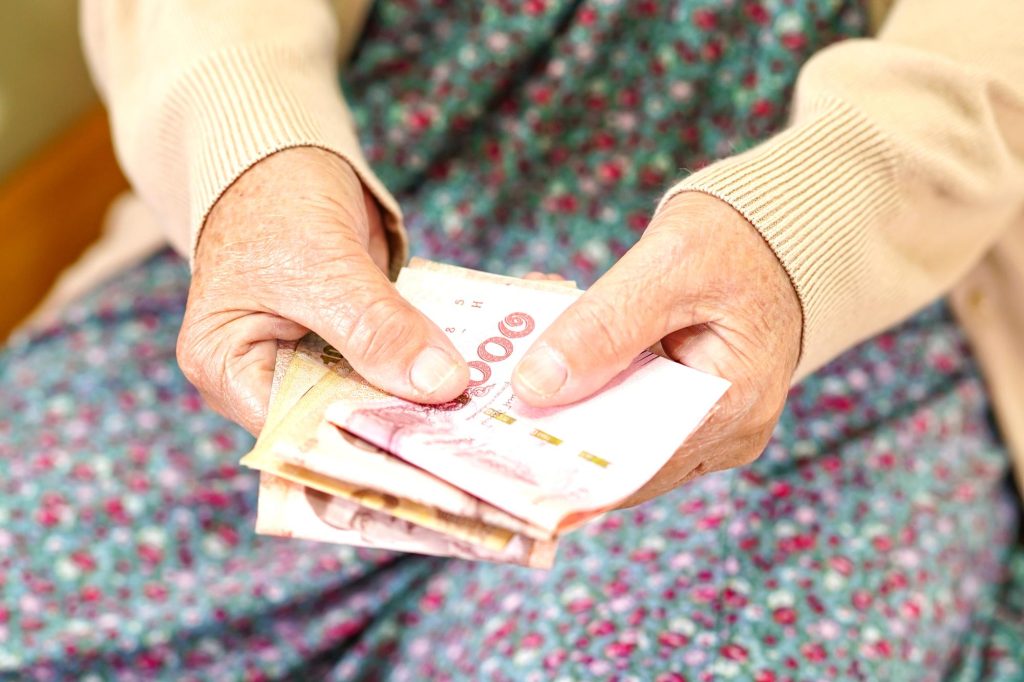
Benefit amounts depend on many factors and are regularly indexed to reflect the economic situation. Let's examine all aspects of benefits in 2026 in detail.
Minimum pension
Basic indicators:
- 20,000 Turkish lira (as of January 2026, an increase of 18.47% — the previous minimum was 16,881 lira)
- Indexing every 6 months
- Tied to minimum wage
Guaranteed supplements:
- Social allowances
- Compensation for high inflation
- Holiday bonuses (2 times a year)
Average pension
Average benefit amounts:
- 18,000-22,000 Turkish lira
- Varies by region
- Depends on work history and salary
In ruble equivalent (approximately):
- Minimum: around 31,000 rubles (20,000 lira at approximately 1.56 ₽ per lira as of May 2026)
- Average: 28,000-34,000 rubles
- Maximum: can exceed 100,000 rubles
Calculation of amount
The calculation formula includes:
Basic parameters:
- Average salary over recent years
- Number of years of service
- Total contributions paid
Coefficients:
- Age coefficient
- Service coefficient
- Individual coefficient
Current amounts in lira and rubles
Distribution by category (in lira):
By work history:
- Up to 15 years: 20,000-22,000 lira (at guaranteed minimum level)
- 15-25 years: 22,000-28,000 lira
- Over 25 years: from 28,000 lira
By type:
- Old-age pension: average 20,000-22,000 lira
- Disability pension: from 20,000 lira
- Survivor's pension: from 10,000 lira (share of deceased's pension)
Additional payments
Regular supplements:
- For service above required minimum
- For late retirement
- For having dependents
Special allowances:
- Holiday bonuses
- Compensation payments
- Social allowances
Important features
Indexing:
- Conducted twice a year
- Takes inflation into account
- Depends on economic indicators
Factors of influence:
- Economic situation
- Lira exchange rate
- Inflation processes
Special Features of Benefits

There is a clear system with specific rules and requirements. Let's examine all key aspects of receiving and applying for benefits.
Who is eligible
Citizens:
- Officially employed
- Having the required work history
- Having reached eligible age
Special categories:
- Government employees
- Military personnel
- Self-employed individuals
- Agricultural workers
Foreign citizens:
- With a residence permit
- With official employment
- With regular contributions
Required documents
Basic package:
Required documents:
- Identity card (Kimlik)
- Employment record
- Certificate
- Work history documentation
Additional documents:
- Salary statement
- Bank details
- Documentation of additional grounds
- Medical certificates (if necessary)
Application process
Step-by-step instructions:
Preparation stage:
- Gathering required documents
- Verification of work history
- Consultation at the office
Submitting your application:
- In-person application
- Online submission through E-Devlet
- Through an authorized representative
Application review:
- Document verification (up to 30 days)
- Calculation of benefit amount
- Decision made
Payment
How to receive benefits:
Methods:
- Bank transfer
- Postal transfer
- Through special cards
Frequency:
- Monthly payments
- Fixed dates
- Additional holiday payments
Special features of receiving benefits:
- Possibility to receive benefits abroad
- Inheritance of rights
- Taxation
Additional aspects
Benefit control:
- Regular checks
- Verification of eligibility
- Recalculation if necessary
Changes in conditions:
- When changing place of residence
- When marital status changes
- When a retiree becomes employed
Conclusion
The system is a developed mechanism that continuously adapts to modern realities.
Key findings
Comprehensive nature:
- Combination of public and private benefits
- Consideration of different categories
- Flexible calculation system
Key features:
- Regular indexing
- Transparent calculation system
- Accessible application procedures
- Guaranteed minimum
Social guarantees:
- Protection of rights
- Additional payments and supplements
- Recognition of work contribution
- Special conditions for different categories
Development prospects
Planned changes:
- Digitization of services
- Simplified application procedures
- Development of voluntary programs
- Increase in benefit levels
Main trends:
- Strengthening of social protection
- Modernization of record-keeping
- Expanded range of services
- Integration of international standards
Expected improvements:
- Improved management efficiency
- Development of online services
- Improved service quality
- Streamlined payment processes
Important aspects to understand
Stability:
- Government guarantees
- Regular payments
- Protection from inflation
- Transparent mechanisms
Information accessibility:
- Open data
- Advisory support
- Information resources
- Legal framework
Practical recommendations:
- Timely document preparation
- Regular monitoring of changes
- Use of official channels
- Compliance with legal requirements
Final remarks
Advantages:
- Social orientation
- Consideration of individual characteristics
- Continuous improvement
- Stable payments
Recommendations:
- Advance document preparation
- Consultation with specialists
- Use of official sources
- Retirement planning
The Turkish system has advantages that allow you to achieve a dignified standard of living after completing your working life. It is important to plan your retirement savings in advance and make regular contributions to receive the maximum benefit in the future. In 2026, the minimum pension was increased to 20,000 lira, and indexing continues to be applied twice a year.


