Education in Turkey: A Complete Guide to the Turkish Education System
Turkey's education system follows the 4+4+4 model: how schools and universities are structured, studying for foreign students, and education costs.

Education in Turkey is a modern and dynamically developing system that attracts an increasing number of foreign students. The Turkish education system has undergone significant reforms and today offers quality education at all levels — from preschool to higher education. In this article, we will examine all aspects of education in Turkey in detail, including specific features for foreigners and opportunities to obtain quality education at affordable prices.
Turkey's education system: structure and main stages
The Turkish education system is built on the 4+4+4 principle, which was introduced as a result of the 2012 educational reform. This system means four years of primary education, four years of middle school, and four years of secondary school. The Ministry of National Education of the Turkish Republic is the main body regulating all educational processes in the country.
The Turkish approach to education includes both public and private educational institutions. Public schools provide free preschool and school education for all children aged 6 to 14, making compulsory education accessible to every child. Private educational institutions offer alternative programs and often include instruction in foreign languages.
Turkey's education system is characterized by high standards and a continuous commitment to improving quality. Turkish authorities actively invest in the development of educational infrastructure, making study at Turkish educational institutions increasingly attractive to foreign students.
Preschool education in Turkey
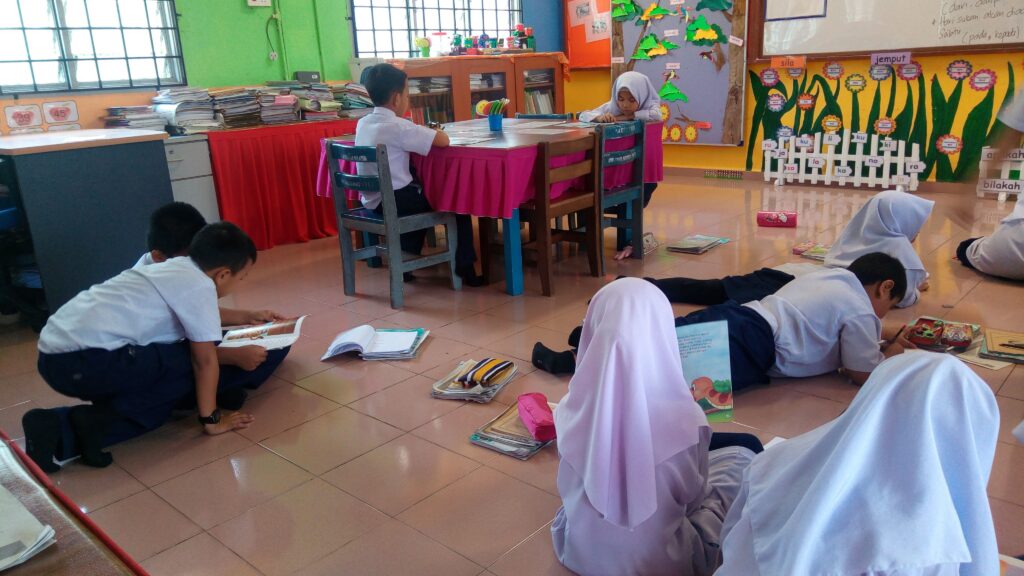
Turkish preschool education covers children aged 3 to 6 and is an important preparatory stage before compulsory schooling begins. Although attending kindergarten is not mandatory, the Turkish government actively encourages parents to enroll their children in preschools for better socialization and school preparation.
Both public and private kindergartens operate in the preschool education system. Public preschools offer free services, while private institutions may charge fees but often provide expanded programs and additional services.
The preschool education program aims to develop creative abilities, social skills, and prepare for learning the Turkish language. Special adaptation programs are provided for children of foreigners to help them master the basics of the Turkish language and culture.
School education in Turkey: primary and middle school
School education in Turkey begins with primary school, which lasts four years (grades 1–4). Children enroll in primary school at age 6. In the primary grades, the focus is on studying the Turkish language, mathematics, natural sciences, and social disciplines.
After completing primary school, students move to middle school, which also lasts four years (grades 5–8). In middle school, the program becomes more diverse, including the study of foreign languages, computer technology, and career guidance subjects.
An important feature of Turkish school education is that all students must take an exam after completing 8th grade to advance to secondary school. This exam determines which type of secondary school a student can attend. Turkish schools pay great attention to preparing for this important test.
Some schools offer special adaptation programs and Turkish language instruction for foreign children. International schools also offer instruction in English or other foreign languages, making education more accessible for expat children.
Secondary schools and vocational education in Turkey
After completing middle school, students enter secondary school — the last stage of secondary education, which lasts four years. In Turkey, there are several types of secondary schools, each with its own specialization and focus.
The Anatolian secondary school is the most prestigious type of institution, which prepares students for university entrance. In Anatolian secondary schools, special attention is paid to studying foreign languages and academic disciplines. Many subjects in such secondary schools are taught in English.
Vocational education in Turkey is represented by technical and vocational secondary schools that train mid-level specialists. These schools offer practice-oriented programs in various specialties — from tourism and hospitality to technical fields.
Science secondary schools focus on in-depth study of natural sciences and mathematics, preparing students for entrance to technical universities. Social secondary schools specialize in humanities and social sciences.
After completing secondary school, all students must take an exam to enter university. This exam is key to their further educational path and determines the possibility of admission to various universities in the country.
Higher education in Turkey for foreign students

Higher education in Turkey attracts thousands of foreign students thanks to quality programs, affordable prices, and the opportunity to obtain internationally recognized degrees. Turkish universities offer a full range of educational programs — from bachelor's degrees to doctorates.
The higher education system includes both public and private universities. Public universities are traditionally considered more prestigious and offer education at lower prices, especially for Turkish citizens. Private universities often offer programs in English and a more individualized approach to education.
Foreign students have access to educational programs in both Turkish and English. Programs in English are particularly popular among international students because they do not require prior study of the Turkish language. However, learning Turkish can significantly expand employment opportunities in the country after graduation.
Bachelor's degrees at Turkish universities last four years, master's degrees last two years, and doctorates last three to five years. Many universities offer preparatory programs in Turkish or English for foreign students who do not have sufficient command of the language of instruction.
Cost of education in Turkey and scholarship opportunities
The cost of education in Turkey is one of the main advantages for foreign students. Compared to European and American universities, Turkish universities offer quality education at significantly more affordable prices.
At public universities, tuition for foreign students ranges from $300 to $4,000 USD per year, depending on the specialty and university. Private universities can cost from $4,000 to $20,000 per year. Medical and engineering specialties are usually more expensive than humanities programs.
The Turkish government offers various grant and scholarship programs for foreign students. The Türkiye Scholarships program is the most well-known and covers not only tuition but also accommodation, meals, and health insurance. Educational grants in Turkey are available to students from more than 180 countries around the world.
In addition to government programs, many universities offer their own scholarships for talented students. There are also special programs for students from partner countries and developing nations.
The cost of living in Turkey also remains relatively low. Students can expect expenses of $300 to $800 per month for accommodation, food, and other necessary expenses, making university education affordable for a wide range of foreign students.
Turkey's best universities and admission requirements
Turkey can boast several world-class universities that rank high in international rankings. Turkish universities offer a wide range of programs and attract students from all over the world.
Among leading public universities are Istanbul University, Hacettepe University in Ankara, Middle East Technical University, and Ege University in Izmir. These universities are known for their strong research programs and high quality of education.
Private universities such as Koç University, Sabanci University, and Bilkent University also enjoy an excellent reputation and often offer English-language programs. These Turkish universities are particularly popular among foreign students because of their modern infrastructure and international educational standards.
Admission to Turkish universities for foreigners takes place through a centralized system or directly through the universities. The main requirements are a high school diploma, knowledge of the language of instruction, and passing entrance exams or interviews.
For programs in Turkish, foreigners must confirm knowledge of Turkish or complete a preparatory course. For English-language programs, a TOEFL or IELTS certificate is required. Some universities conduct their own language tests.
Documents for admission typically include a translated and notarized high school diploma, a statement of purpose, letters of recommendation, and a medical certificate. Application deadlines vary but usually end in July–August.
Student visa and employment prospects in Turkey

To study in Turkey, foreign students must obtain a student visa, which allows them to stay in the country for the duration of their studies. The visa application process is relatively simple and requires confirmation of enrollment in an educational institution, financial guarantees, and health insurance.
After obtaining a visa, students must apply for a residence permit within the first month of their stay in the country. A student residence permit allows for residence and limited work activity.
Foreign students have the right to work part-time during their studies after obtaining special permission. This allows them to partially cover living expenses and gain practical work experience in the Turkish environment.
Employment in Turkey after graduation is possible for graduates of Turkish universities. The country has a need for qualified specialists, especially in information technology, engineering, medicine, and tourism.
Knowledge of Turkish significantly improves chances of successful employment, although some international companies and startups are willing to hire specialists with English proficiency. Graduates of Turkish universities can obtain a work visa and later apply for permanent residence.
Advantages and disadvantages of education in Turkey
Education in Turkey has many advantages that make it attractive for foreign students. Among the main benefits are affordable tuition, high quality of education, program diversity, and opportunities for cultural exchange.
Turkish universities offer modern programs that meet international standards, while the cost of education remains significantly lower than at European or American universities. Turkey's geographic position between Europe and Asia creates unique opportunities to study various cultures and languages.
Government support for education is evident in the constant improvement of university infrastructure, the introduction of new technologies, and the development of research programs. Many Turkish universities actively collaborate with international universities, ensuring a high level of education.
However, there are certain challenges. The language barrier can be an obstacle for students who do not speak Turkish, especially when interacting with the local population and government agencies. The need to adapt to a new cultural environment may also require time and effort.
Some programs at public universities may have a limited number of places for foreigners, creating competition for admission. Nevertheless, the growing number of English-language programs and the development of the private education sector are gradually addressing these problems.
Overall, education in Turkey is an excellent opportunity to obtain quality education at an affordable price, learn about the country's rich culture and history, and gain international experience that will be useful in a future career. Turkey continues to develop its education system, making it increasingly attractive to students from around the world.


