Marbella: The Pearl of Costa del Sol
Marbella is a luxury resort on the Costa del Sol coast: history, beaches, atmosphere of luxury and what attracts affluent property buyers to the city.

Marbella is a luxury resort on the Costa del Sol coast that has long become a symbol of opulence and elegance in Spain. The city attracts wealthy foreigners, celebrities, and members of royal families from around the world. Located 56 km from Malaga, Marbella represents a unique blend of historical heritage and contemporary coastal lifestyle on the Mediterranean Sea.
History and origins of the city
Marbella's history spans more than two thousand years. The Phoenicians were the first to establish settlements on these lands, followed later by Roman colonists. The Roman period left a significant mark on the architecture and culture of the region — archaeological finds attest to the prosperity of the ancient settlement.
During the Middle Ages, the city fell under Moorish rule, which gave it its modern name. Arab influence is evident in the architecture of the old quarters, where narrow streets and whitewashed houses create the unique atmosphere of an Andalusian city. After the completion of the Reconquista in the 15th century, Marbella became part of Christian Spain while retaining its historical charm.
The modern history of the luxury resort began in the 1940s-50s, when Prince Alfonso de Hohenlohe-Langenburg opened the first upscale hotel here. This event marked the beginning of the transformation of a modest fishing village into a popular international resort.
Main attractions of Marbella
The attractions of Marbella impress with their diversity. The heart of the city is the old town with its famous Orange Square, home to a fountain and the Church of Incarnación in Renaissance style. This square has become the center of cultural life, where various events and festivals are regularly held.
One of the main attractions is a contemporary art museum with an impressive collection of sculptures and paintings. The museum building itself is of architectural value, demonstrating a contemporary approach to the design of cultural spaces.
The city's waterfront stretches along the coast for several kilometers, offering magnificent views of the beautiful sea and mountains. A walk along this promenade allows you to appreciate the full beauty of the local landscape and feel the special atmosphere of a Mediterranean resort.
Puerto Banús is not just a port but a true pearl of the Marbella coastline. This marina is famous for its luxury yachts, fashionable boutiques, and exclusive restaurants. Here you can often meet celebrities and wealthy businessmen from around the world.
Beaches and water sports
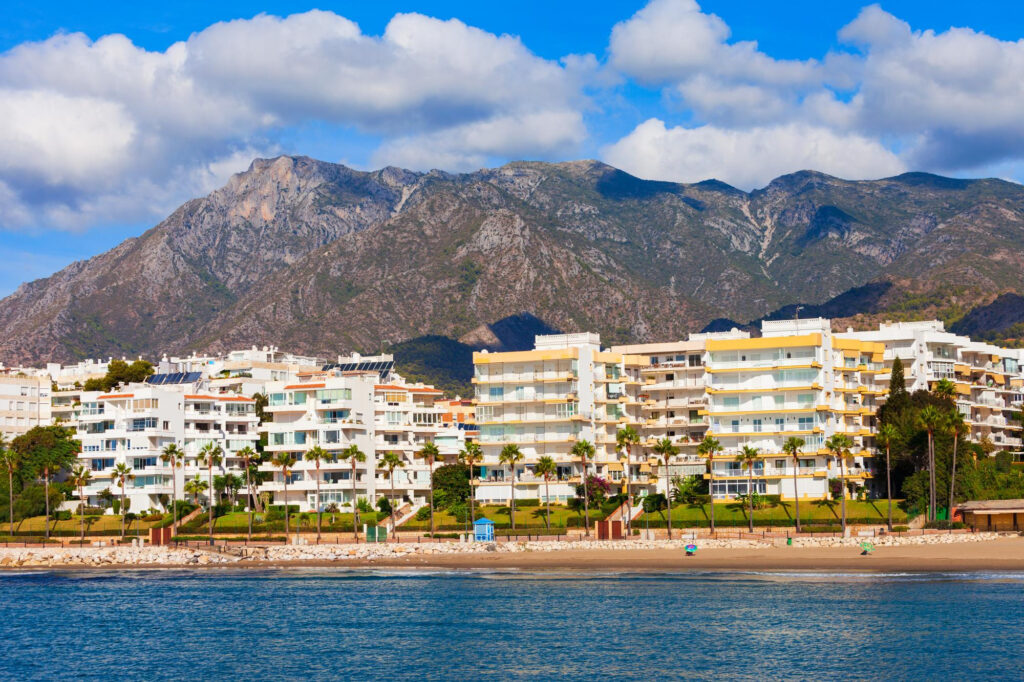
Marbella's coastline is renowned for its excellent beaches, which regularly receive the Blue Flag award for environmental cleanliness. The main city beach stretches for several kilometers and is equipped with all the necessary infrastructure for comfortable relaxation.
Fontanilla Beach is considered one of the most picturesque on the entire Costa del Sol coast. Its golden sand and crystal-clear water create ideal conditions for family vacations. Sports clubs here offer various water activities.
For lovers of exclusive relaxation, private beach clubs are open, where you can enjoy a luxurious atmosphere. These establishments offer high-class service, refined cuisine, and the opportunity to rent comfortable loungers and gazebos.
Puerto Banús Marina offers a wide range of water activities — from yacht rentals to coastal excursions. You can book deep-sea fishing or a romantic sunset cruise.
Entertainment and active recreation
Marbella offers numerous opportunities for active recreation. The city is known for its golf courses, which attract players from around the world. Local golf clubs offer courses of varying difficulty surrounded by magnificent landscapes.
Sports clubs in the city provide modern gyms, tennis courts, and spa centers. Many luxury hotels have their own wellness centers offering a full range of relaxation and recovery treatments.
Marbella's nightlife is as vibrant as daytime entertainment. Fashionable clubs and bars operate until morning, offering entertainment programs for discerning guests. Venues in the Puerto Banús area are particularly popular, where the international elite gather.
For culture enthusiasts, exhibitions, concerts, and theatrical performances are regularly organized. Summer hosts flamenco and jazz festivals, which attract both locals and tourists.
Gastronomy: food and drinks
Marbella's culinary scene reflects the rich traditions of Andalusian cuisine with contemporary interpretations. Local restaurants offer a wide selection of fresh seafood dishes prepared according to traditional regional recipes.
Famous chiringuitos — beach restaurants — serve excellent gazpacho, paella, and other national dishes. Here you can try the best Iberian jamón and enjoy a glass of local sherry with a sea view.
The city is home to several Michelin-starred restaurants, where chefs create culinary masterpieces from local products. These establishments offer tasting menus with wine lists featuring the best examples of Spanish winemaking.
The cost of lunch in an average restaurant is €25–40 per person, while dinner in an upscale establishment can cost €80–120. A 10% tip is considered standard for good service.
Weather and best time to visit
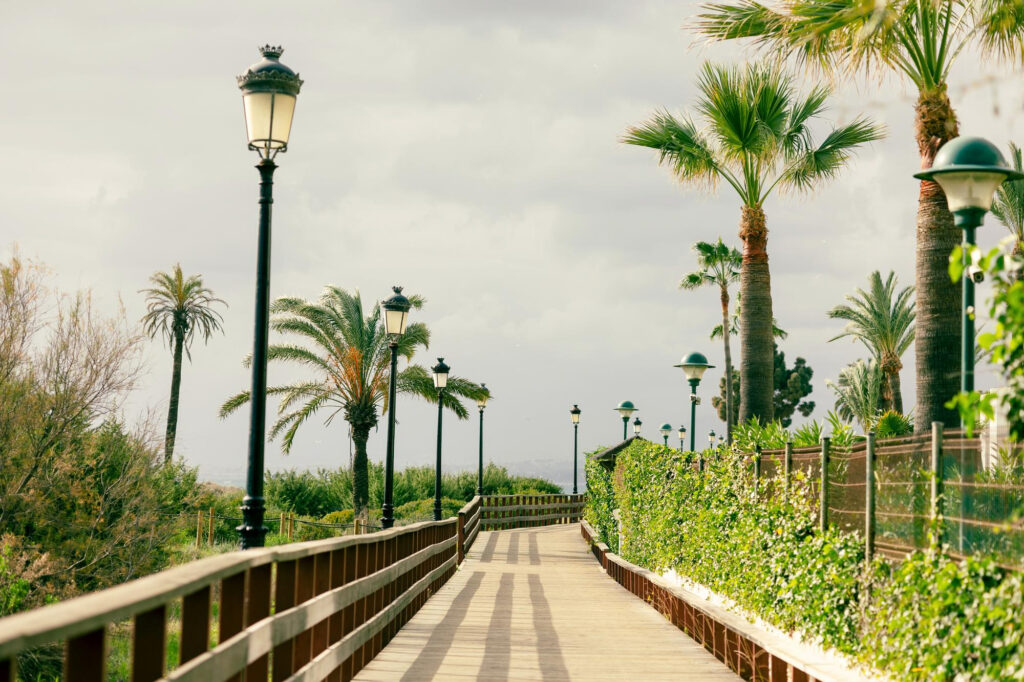
Marbella's climate is characterized as Mediterranean subtropical, with mild winters and warm summers. Air temperature rarely drops below +10°C in winter and can reach +30°C in summer months. The sun shines here more than 300 days a year, making the resort attractive for visiting at any time.
Marbella's weather is most favorable from May to October, when the sea water temperature warms to comfortable +20–24°C. Summer months are ideal for beach relaxation, although accommodation prices reach their peak during this period.
The shoulder seasons (April–May and September–October) are considered optimal for visiting due to comfortable weather and more affordable prices. During this time, you can enjoy all the pleasures of the resort without summer tourist crowds.
Winter months are suitable for peaceful relaxation and sightseeing. Although the swimming season ends, many restaurants, museums, and shops continue to operate, offering the opportunity to experience local culture.
How to get to Marbella
The nearest major airport is in Malaga, from where you can reach Marbella in 45–60 minutes by various means of transport. Malaga International Airport handles flights from many European capitals, including direct flights from Madrid and other Spanish cities.
The most convenient transfer method is to book a taxi or private transfer, which costs €60–80. Alternatively, there is bus service, which is considerably cheaper — around €8–12 per trip.
For independent travelers, car rental directly at the airport is recommended. This provides complete freedom of movement throughout the region and the opportunity to explore nearby towns and villages along the Costa del Sol coast.
Rail service connects Marbella with other cities in Andalusia, although there is no direct train from Madrid. Train travel requires transfers and takes considerably more time compared to air travel.
Where to stay: hotels and apartments
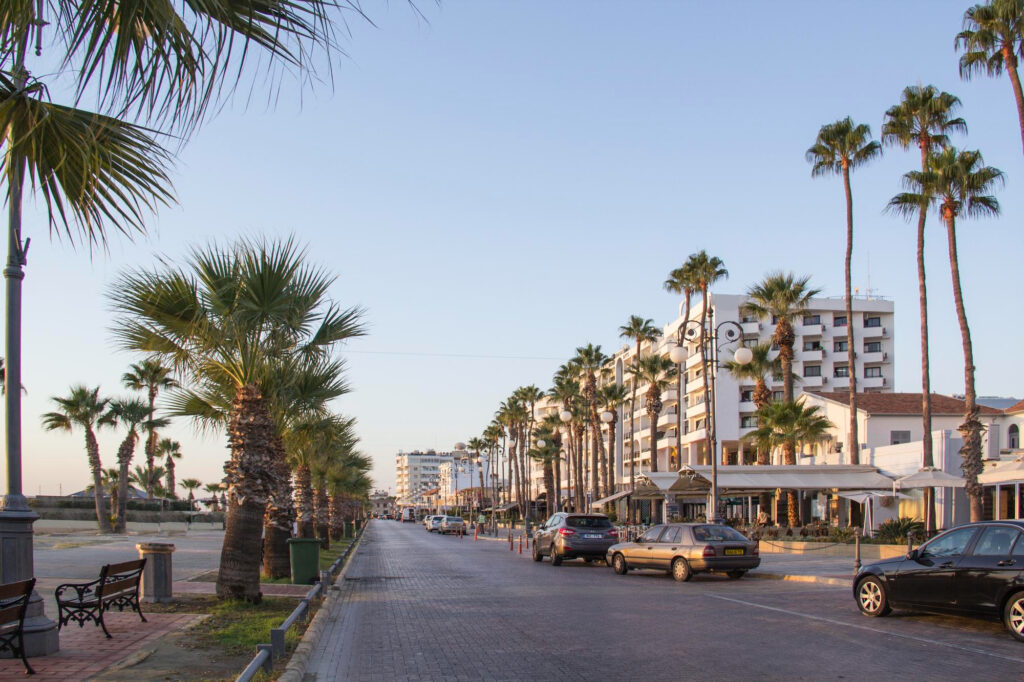
Accommodation in Marbella is represented by a wide range of options — from budget apartments to luxury villas. The municipality strictly controls the quality of tourist infrastructure, so even inexpensive hotels meet high standards.
The most prestigious hotels are located on the beachfront and in the Golden Mile area. These establishments offer rooms with sea views, private beach areas, and a full range of spa services. The cost of accommodation in such hotels can exceed €500 per night during peak season.
Villa rentals are particularly popular among families and groups of friends. Many properties in Marbella are rented daily and include a pool, garden, and other amenities. Prices for villas start from €200–300 per night depending on location and comfort level.
For budget-conscious travelers, apartments and guesthouses in the central city quarters are available. These accommodation options allow you to experience the local atmosphere and are within walking distance of the main attractions.
Practical tips for tourists
To visit Spain, citizens of most countries require a Schengen visa or national visa. The country's currency is the euro; card payments are accepted everywhere, although it is recommended to carry cash for small purchases and tips.
Safety in Marbella is at a high level, although, like any tourist center, standard safety precautions should be observed. Mayor Jesús Gil and local authorities work constantly to maintain order and safety in the city.
Travel insurance is mandatory for all tourists. The city has modern medical centers and private clinics that provide quality services. Public hospitals are also available in emergency cases.
Local residents usually speak Spanish, although in tourist areas staff often speak English and other European languages. Learning a few basic Spanish phrases will help you connect with locals and gain a more authentic travel experience.
Marbella remains one of Europe's most attractive resorts, where everyone can find entertainment to their taste — from cultural excursions to luxury beach relaxation. This city continues to attract foreigners with its unique charm and high level of service.


