Russia's Warmest Cities: A Complete Climate Guide
Russia's warmest cities: where mild climate and comfortable weather persist year-round — a guide for vacation and relocation.

Russia is characterized by remarkable diversity: from harsh Arctic regions to subtropical resorts. The search for places with favorable conditions is becoming increasingly relevant for those planning relocation or choosing a vacation destination. Particular interest is drawn to Russia's warmest cities with comfortable conditions, where weather supports active life at any time of year.
The question "where is it warmest in Russia?" ranks among the most popular search queries related to weather in the country. This is unsurprising: the meteorological characteristics of a region directly affect quality of life, health, and even economic opportunities for its residents. Southern regions attract not only tourists but also those planning permanent residence in places with mild weather conditions.
In this article, we will examine in detail the climate conditions of Russia's warmest cities, analyze temperature indicators across different seasons, and provide practical recommendations for choosing a place to live and vacation. You will learn:
- Which Russian cities have the warmest winters and highest average annual temperatures
- Where regions with the mildest winters are located
- Which resort destinations offer optimal weather conditions for vacation
- How to choose a city for relocation with suitable conditions for permanent residence
Our analysis is based on current meteorological data and considers not only temperature indicators but also other important factors: air humidity, number of sunny days, wind strength, and atmospheric pressure. This will help you get a complete picture of the climate characteristics of each region and make an informed choice of place to live or vacation.
Climate of Russia: main characteristics
Russia, occupying a vast territory, is characterized by exceptional diversity of zones — from Arctic to subtropical. This diversity is due to several key factors.
General characteristics
Much of the territory is dominated by continental conditions, characterized by significant temperature fluctuations between seasons. However, in some regions, unique conditions develop, creating pleasant weather year-round.
Main zones
The following belts are distinguished on the territory of Russia:
- Arctic belt: covers the northern islands and coast of the Arctic Ocean
- Subarctic belt: includes tundra and forest-tundra
- Temperate belt: the most extensive, with several subtypes (maritime, moderately continental, continental, sharply continental, monsoon)
- Subtropical belt: the Black Sea coast of the Caucasus
Factors affecting formation
The main factors determining the temperature regime in different regions:
- Geographic location: proximity to seas and oceans, latitude of the area
- Terrain: presence of mountain ranges affecting air mass movement
- Ocean currents: especially important for coastal regions
- Atmospheric circulation: prevailing winds and air mass movement
Particularly favorable conditions develop in regions where protection from cold winds by mountain ranges, influence of ocean currents, southern location of the territory, and influence of subtropical air masses combine.
Understanding these characteristics helps identify regions with the most favorable weather conditions for living and vacation. In the following sections, we will examine specific destinations where a combination of natural factors creates optimal conditions.
10 warmest cities in Russia: year-round overview
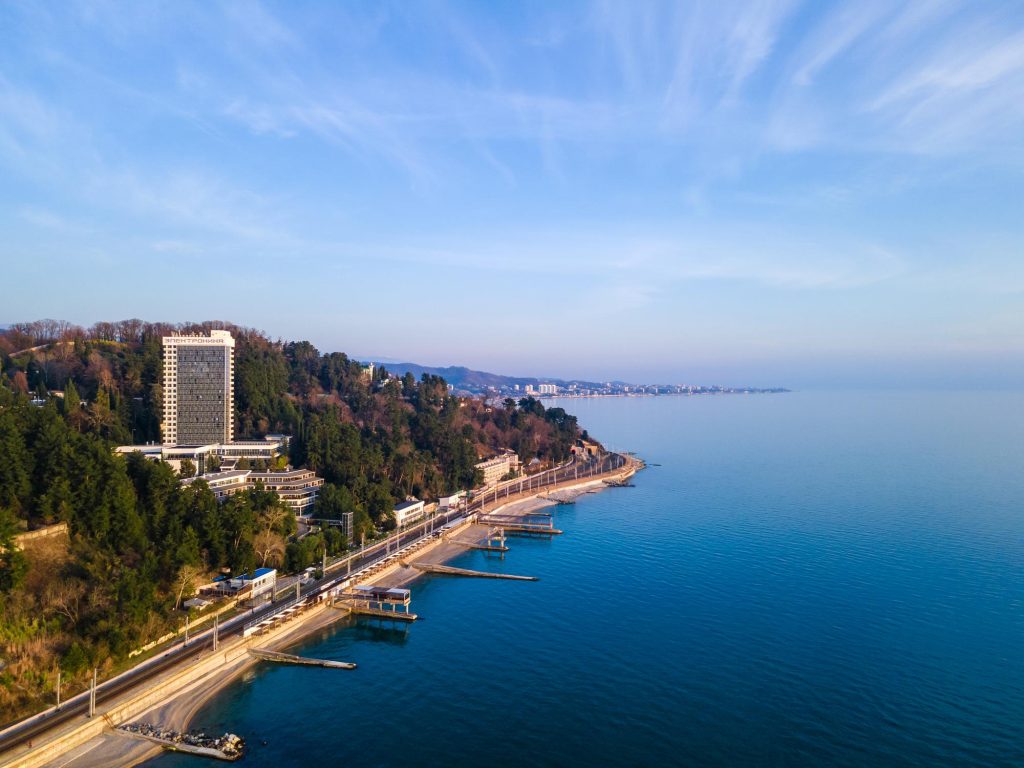
When determining the warmest populated areas, it is important to consider not only peak summer temperatures but also average annual indicators. Let's examine the top 10 warmest cities where the most comfortable temperature is maintained throughout the year.
1. Sochi
The warmest place in Russia by average annual indicators is Sochi, where the average temperature is +14.2°C.
- Winter: +6…+10°C
- Spring: +10…+16°C
- Summer: +23…+28°C
- Fall: +15…+20°C
Features: subtropical conditions, humidity, mild winter and long summer season. Located on the Black Sea coast, creating a unique microclimate. In winter, Sochi's temperature rarely drops below zero, and the number of sunny days reaches 300 per year.
2. Anapa
Average winter temperature: +3…+7°C, average annual: +12.8°C
- Winter: +3…+7°C
- Spring: +8…+15°C
- Summer: +22…+27°C
- Fall: +14…+19°C
Features: Mediterranean type, lower humidity compared to Sochi. The city is famous for sandy beaches and is considered one of the best beach vacation resorts. In Anapa, winter weather remains pleasant for walks.
3. Yalta
Average annual: +12.6°C
- Winter: +4…+8°C
- Spring: +9…+15°C
- Summer: +22…+26°C
- Fall: +13…+18°C
Features: subtropical Mediterranean type, protection by mountains from cold winds. Yalta's embankment is a calling card of the city, where walking is pleasant even in winter.
4. Gelendzhik
Average annual: +12.3°C
- Winter: +3…+7°C
- Spring: +8…+14°C
- Summer: +22…+26°C
- Fall: +13…+18°C
Features: Mediterranean type, protected bay, minimal precipitation. Gelendzhik's embankment stretches along the coast for several kilometers.
5. Tuapse
Average annual: +12.1°C
- Winter: +3…+7°C
- Spring: +8…+14°C
- Summer: +21…+25°C
- Fall: +13…+17°C
Features: humid subtropical type, moderate humidity. Located in Krasnodar Krai and famous for pleasant weather conditions.
6. Derbent
Average January temperature: about +3°C
Derbent is one of Russia's most ancient cities and the country's southernmost city. Located on the Caspian Sea coast in Dagestan. An ancient fortress and medieval mosque recall the rich history of this historic city.
Winters here are cooler than on the Black Sea coast, but weather remains mild. Average winter temperature hovers around +3°C, and summer temperatures reach +28…+30°C. Derbent is often chosen by those who value warm climate combined with Oriental character.
7. Krasnodar
January temperature: about +1°C
Krasnodar is the largest city in Krasnodar Krai, considered one of the warmest cities for permanent residence. The thermometer rarely drops below -5°C in winter, and spring begins as early as February.
In Krasnodar, little snow falls in winter and it melts quickly. The city features numerous parks, modern residential areas close to shops, schools and restaurants, and favorable living conditions. Near the city are ski resorts and sea coasts, making Krasnodar a convenient base for varied recreation.
8. Makhachkala
Average annual: about +13°C
The capital of Dagestan is located on the Caspian Sea coast. Conditions here are mild and dry. Winter temperatures hover around +2…+4°C, and summer air warms to +26…+28°C. It is actively developing and attracting those seeking a southern region of Russia with affordable housing prices.
9. Evpatoria
In Evpatoria in January: about +2°C
A resort city on the western coast of Crimea. Evpatoria is the westernmost of those presented in our list. It has a dry, Mediterranean-type climate. Winters rarely see frost, and summer is pleasant and sunny. Known for its sandy beaches and sanatoriums.
10. Astrakhan
Winter: about -3°C
Astrakhan is located in the Volga delta. Although winters here are colder than in other cities on the list, it ranks among the warmest in Russia by average annual indicators. Summer is hot and long, and spring and fall are favorable for walks.
Factors determining the temperature regime
All the places listed have a number of common characteristics that ensure favorable conditions:
- Location in the south of the country
- Proximity to the sea
- Protection by mountain massifs
- Influence of ocean currents
| City | Average annual | Warmest month | Coldest month |
|---|---|---|---|
| Sochi | +14.2°C | August (+24°C) | January (+6.1°C) |
| Anapa | +12.8°C | July (+23.9°C) | January (+3.4°C) |
| Yalta | +12.6°C | July (+24.1°C) | January (+4.3°C) |
| Gelendzhik | +12.3°C | August (+23.8°C) | January (+3.2°C) |
| Tuapse | +12.1°C | August (+23.2°C) | January (+3.1°C) |
Russian cities with the mildest winters
The winter period is especially important when evaluating weather conditions in Russian cities. Let's consider places where winter is characterized by particular mildness and comfortable temperatures. It's important to note that warm winter in Russia is a relative concept, and we will focus on average winter month indicators.
1. Sochi and Adler
Winter: +6…+10°C
- December: +7.8°C
- January: +6.1°C
- February: +6.9°C
- Number of frost days: 5-7 per year
- Snow: rare, does not persist more than 1-2 days
Winters in Russia are warm precisely here. In winter, temperature rarely drops below zero, so you can walk in a light jacket.
2. Khosta and Lazarevskoe
Winter: +5…+9°C
- December: +7.2°C
- January: +5.8°C
- February: +6.4°C
- Number of frost days: 8-10 per year
- Snow: rare, melts quickly
Snow hardly ever occurs here in winter, making these resorts attractive for those who dislike cold weather.
3. Yalta
Winter: +4…+8°C
- December: +6.5°C
- January: +4.3°C
- February: +4.8°C
- Number of frost days: 10-12 per year
- Snow: rare on the coast
In January, average temperature hovers around +4°C, which is convenient for winter walks along the embankment.
4. Anapa
Winter: +3…+7°C
- December: +5.2°C
- January: +3.4°C
- February: +3.9°C
- Number of frost days: 15-20 per year
- Snow: may fall but rarely persists more than 3-4 days
5. Gelendzhik
Winter: +3…+7°C
- December: +5.1°C
- January: +3.2°C
- February: +3.7°C
- Number of frost days: 15-18 per year
- Snow: rare
Characteristics of winter climate
When assessing winter conditions, it is important to consider air humidity (affects perceived temperature), amount of sunlight, frequency of precipitation, wind strength and direction, and duration of daylight.
General characteristics of warm Russian cities for winter living:
- Southern cities with geographic location in southern regions of the country
- Proximity to the sea: moderating influence of sea waters
- Protection from cold winds: presence of mountain massifs
- Influence of currents: especially important for the Black Sea coast
It is important to note that even in Russian cities, brief cold snaps may occur in winter, but they are rare and short-lived.
Opportunities for winter recreation
Mild winter weather in these places allows for long walks in the fresh air, active recreation, spending time outdoors, and enjoying nature in comfortable conditions.
Resort destinations with favorable conditions
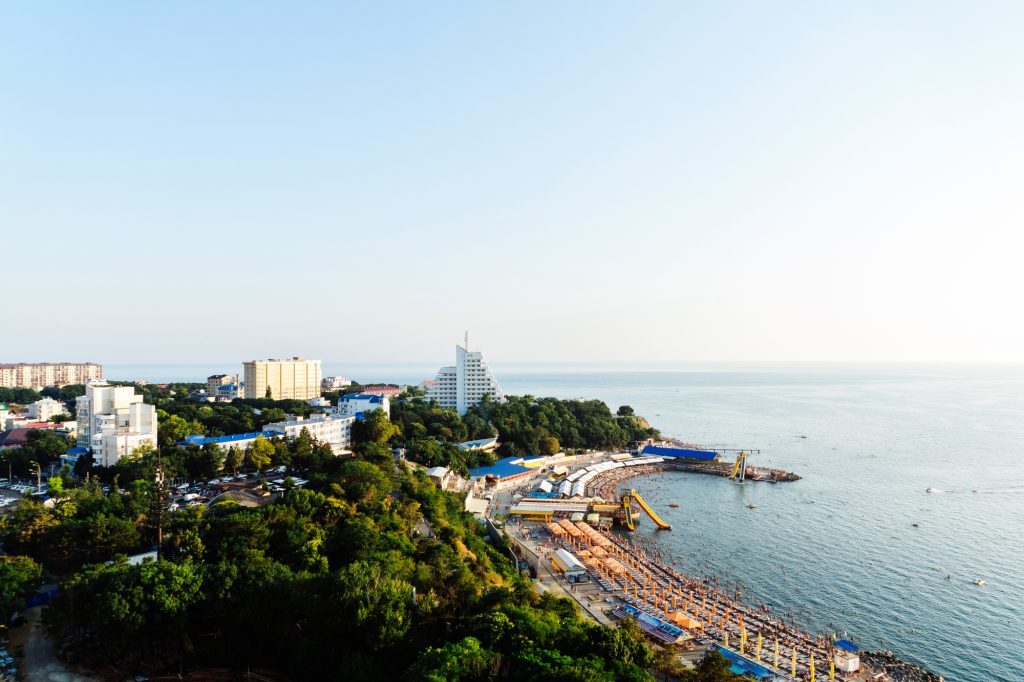
Resort destinations with mild conditions attract millions of tourists annually. Particularly notable is the Black Sea coast, where unique subtropical conditions have developed, ideal for vacation and health improvement.
Black Sea resorts
Sochi
The main resort and warmest point in the country.
- Swimming season: May-October
- Summer water temperature: +23…+26°C
- Summer air temperature: +26…+30°C
Features: 300 sunny days per year, developed resort infrastructure, opportunity for year-round recreation. Dendrarium Park and Riviera Park are popular walking destinations. Not far from the city is the Rosa Khutor ski resort, making the destination versatile.
Anapa
An ideal family resort with beaches.
- Swimming season: June-September
- Summer water temperature: +22…+25°C
- Summer air temperature: +25…+29°C
Features: shallow sea suitable for family vacation with children, minimal summer precipitation, sandy and pebble beaches. The central embankment stretches 5 kilometers from the city along the coast.
Gelendzhik
A resort with unique microclimate in a closed bay.
- Swimming season: June-September
- Summer water temperature: +22…+24°C
- Summer air temperature: +25…+28°C
Features: protection from cold winds, clean mountain air, picturesque coast. An amusement park and safari park are the most interesting places to visit.
Characteristics of seaside climate
Main features:
- Air humidity: elevated (65-75%)
- Atmospheric pressure: stable
- Sea breeze: natural air conditioning
- Insolation: high, plenty of sunshine
- Precipitation: mainly in autumn-winter period
Seasonality and weather features
Spring (March-May)
Gradual temperature increase, start of resort season, blooming plants, comfortable temperature for excursions.
Summer (June-August)
Peak resort season, maximum water and air indicators, minimal precipitation, high tourist activity.
Fall (September-November)
Indian summer, warm sea, pleasant air temperature, ripening of fruits.
Winter (December-February)
Mild weather, opportunity for sanatorium treatment, minimum tourists, affordable accommodation prices.
Health benefits
Favorable health impact is provided by clean sea air, optimal iodine content, moderate humidity, stable atmospheric pressure, and abundant sunshine.
Cities with mild climate for comfortable living
When choosing a city in Russia for permanent residence, it is important to consider not only absolute temperature indicators but also a whole range of factors affecting everyday comfort.
Evaluation criteria for permanent residence
Temperature regime: absence of sharp temperature fluctuations, moderate summer heat, mild winter.
Air humidity: optimal indicator of 40-60%, absence of stuffy periods.
Wind regime: protection from strong winds, presence of natural ventilation.
Precipitation quantity: even distribution throughout the year, absence of prolonged rainy periods.
Cities with optimal factor combination
1. Kislovodsk
Unique conditions for health and comfortable life.
Features:
- Moderate humidity: 45-65%
- Summer: +20…+25°C
- Winter: -2…+3°C
- 300+ clear days per year
Advantages: mountain air, minimal industrial facilities, natural mineral water sources. The resort park is one of Europe's largest parks.
2. Pyatigorsk
Mild foothill climate.
Features:
- Humidity: 50-70%
- Summer: +22…+27°C
- Winter: -3…+2°C
- Protection by mountains from strong winds
Located in a region of Russia with favorable living conditions year-round.
3. Sevastopol
Seaside microclimate and mild winter.
Features:
- Humidity: 60-75%
- Summer: +24…+28°C
- Winter: +3…+7°C
- Sea breeze as natural air conditioning
Sevastopol attracts those seeking different cities with pleasant conditions and amenities close to shops, schools and restaurants.
4. Maykop
Favorable foothill climate.
Features:
- Humidity: 55-70%
- Summer: +22…+26°C
- Winter: -1…+4°C
- Protection from strong winds
Characteristics of each region
Foothill areas: clean mountain air, protection from strong winds, moderate humidity, absence of sharp temperature fluctuations.
Seaside areas: sea breeze, mild winter, elevated humidity, opportunity for sea bathing.
Steppe areas: abundant sunlight, low humidity, more pronounced seasonal fluctuations.
Recommendations for adaptation
The first year of residence is considered an adaptation period. It is desirable to start relocation during the off-season. It is important to consider individual weather sensitivity. It is recommended to live in your chosen location in different seasons beforehand.
Practical recommendations
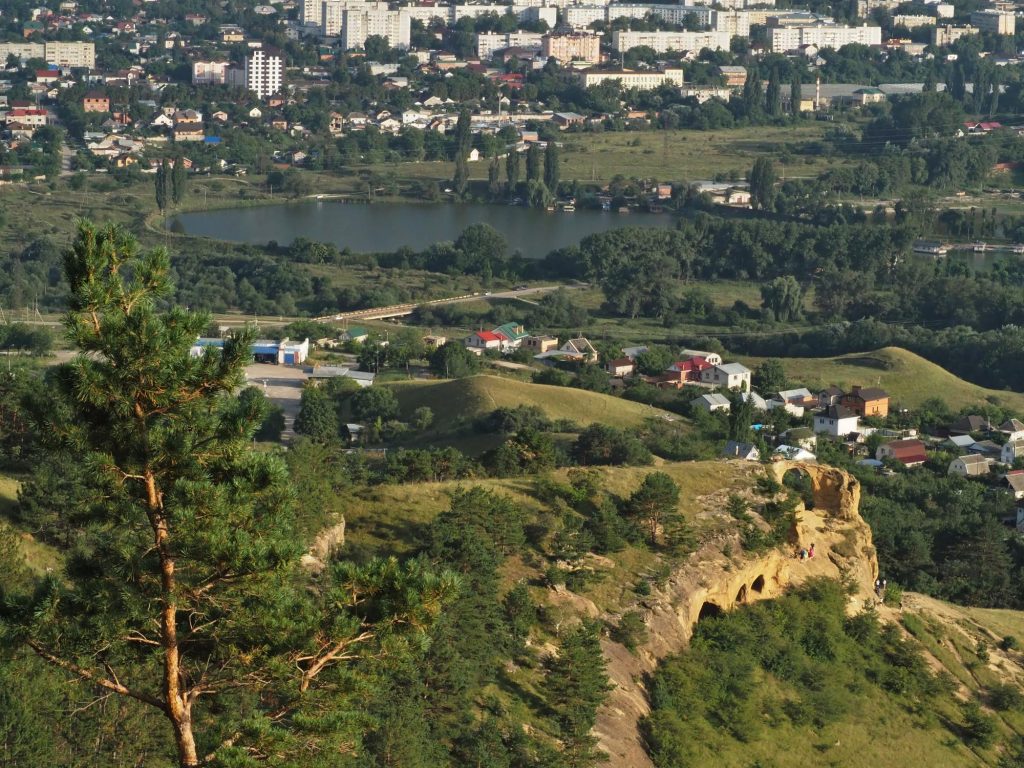
How to choose a city with suitable climate
Step-by-step selection algorithm
- Determine personal preferences: comfortable summer and winter temperatures, attitude toward humidity, heat and cold tolerance, weather sensitivity.
- Analyze data: average monthly temperatures, precipitation quantity, air humidity, wind rose.
- Study seasonal features: season duration, sharpness of transitions, presence of natural phenomena.
What to pay attention to when relocating
Key factors to consider
Microclimate of areas: location relative to water bodies, elevation above sea level, proximity to mountains or forests, wind rose in a specific area.
Environmental situation: presence of industrial facilities, air quality, cleanliness of water bodies, territory greening.
Infrastructure: availability of medical facilities, recreation locations, transportation accessibility, quality of housing stock.
Seasonal features of different regions
| Region | Spring | Summer | Fall | Winter |
|---|---|---|---|---|
| Black Sea coast | Early, mild | Hot, humid | Long, mild | Mild, rainy |
| Caucasus foothills | Moderate | Pleasant, dry | Mild, dry | Moderate |
| Steppe regions of the south | Short | Hot, dry | Mild | Cool |
Recommendations for adaptation to new climate
Primary adaptation (1-2 months): maintaining daily routine, gradual increase in physical activity, proper nutrition, adequate hydration.
Seasonal adaptation (first year): monitoring body's response, adjusting daily routine by seasons, selecting suitable clothing, planning activities according to weather.
Additional advice
If you are seeking warm Russian cities for living, you should choose cities after careful analysis. Make a preliminary trip in different seasons, talk to locals, study relocation forums. Consult with a doctor if you have chronic illnesses and compile a list of necessary items according to weather conditions.
Conclusion
Studying these characteristics shows significant diversity of options for comfortable living and recreation. Each region has its own unique features and advantages.
Main conclusions
Geographic distribution: the mildest locations are concentrated in the south, the Black Sea coast offers the most favorable conditions, Caucasus foothill regions have a special microclimate.
Climate characteristics: Sochi remains the warmest point by average annual indicators in the country, coastal places are characterized by elevated humidity, foothill regions offer optimal temperature and humidity balance.
Seasonal specificity: January and February indicators are a key evaluation factor, summer can be sufficiently hot, off-season often offers the most pleasant conditions.
Key recommendations
For permanent residence: consider not only temperature but also humidity, wind, precipitation. Research location in different seasons. Take environmental situation into account.
For vacation: choose season according to trip goals, take local conditions into account, plan activities according to weather factors.
Final considerations
When choosing, it is important to determine personal priorities, consider health condition and weather sensitivity, account for seasonal weather fluctuations, and consider additional factors.
How to use this information
For planning relocation: compile a list of priority destinations, visit chosen places in different seasons, study experience of those who have relocated, analyze data over several years.
For organizing vacation: choose optimal season, take local conditions into account, prepare appropriate wardrobe, plan activities according to weather.
Which Russian cities have the most favorable conditions? Those cities located in the south, protected by mountains, and situated by the sea. Warm Russian cities offer a wide range of opportunities for both permanent residence and vacation. The key to successful choice is careful analysis of all factors and consideration of individual preferences. Remember that ideal conditions are an individual concept, and it is important to find a place that corresponds as closely as possible to your own needs.