Oman: A Complete Guide to a Country of Contrasts
Oman on the Arabian Peninsula: Arab culture, beaches, deserts and mountains around Muscat. What makes the country interesting for travelers.

Oman is a remarkable country on the Arabian Peninsula that combines ancient traditions with modern achievements. This sultanate offers travelers a unique experience to discover authentic Arab culture, enjoy magnificent beaches, and explore captivating desert landscapes. Information about Oman will be useful for anyone planning a vacation in Oman or simply interested in this amazing country.
Basic Information About the Country
The Sultanate of Oman is an absolute monarchy located in the southwestern part of the Arabian Peninsula. The capital, Muscat, is an ancient city with a rich history that serves as the country's political and economic center. Oman's population is approximately 5 million people, and the country covers 309,500 square kilometers.
The state in southwestern Asia is governed by a Sultan who serves as head of state and government. Sultan Qaboos bin Said Al Said ruled the country for more than 50 years until his death in 2020, after which power passed to Sultan Haitham bin Tariq Al Said. Oman is one of the most stable countries in the region, which ensures a high standard of living for the local population and safety for tourists.
The official currency of the sultanate is the Omani rial, which is divided into 1,000 baisa. The Omani rial is considered one of the most expensive currencies in the world. The official language is Arabic, though English is widely spoken in tourist areas and business circles.
Oman's economy is based on the oil industry, but the country is actively diversifying its economy by developing tourism, fishing, and agriculture. Oman is characterized by a stable political system and a progressive approach to development, making it an attractive destination for international tourism.
Geography and Climate
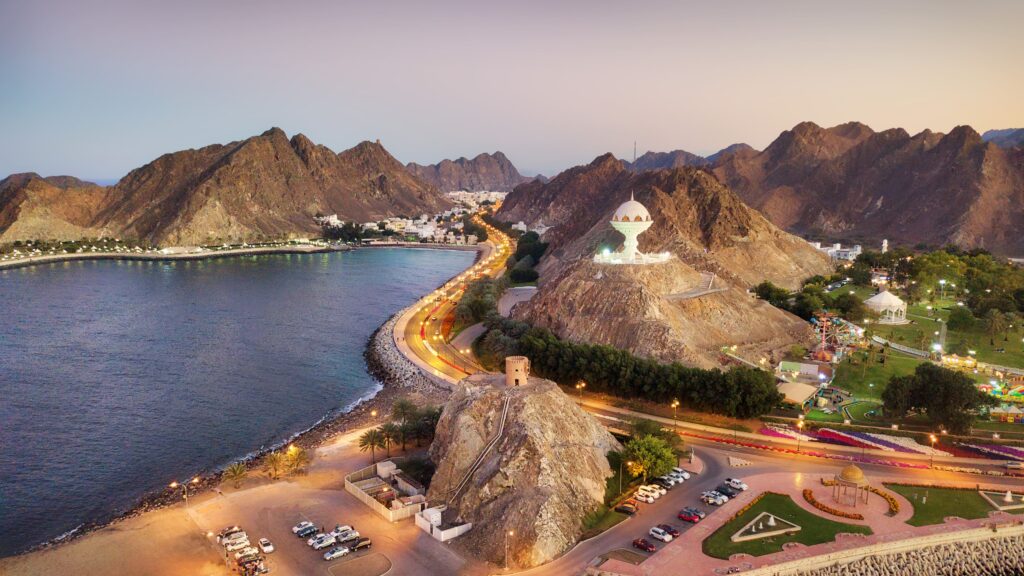
The Sultanate of Oman is located in the southeastern part of the Arabian Peninsula and borders Saudi Arabia, the UAE, and Yemen. The country is bordered by the Arabian Sea, the Persian Gulf, and the Gulf of Oman, giving it an extensive coastline of more than 3,000 kilometers.
Oman's territory is characterized by diverse landscapes: from the Hajar mountain ranges in the north to vast deserts in the south. The Musandam Peninsula, separated from the main part of the country by UAE territory, is famous for its fjords and is a popular spot for boat tours. In the south of the country is the Dhofar region with the city of Salalah, which is known for its monsoon rains and green landscapes.
Oman's climate is tropical, hot, and dry. Average temperatures in summer months reach 40–45°C, and in winter they drop to a comfortable 20–25°C. In the Dhofar region, monsoons operate from June through September, bringing cool weather and rain, creating a unique microclimate for this part of the Arabian Peninsula.
The best time to visit Oman is from October through April, when temperatures are more comfortable for tourist activities. During this time you can fully enjoy beach vacations and exploring the country's attractions.
Culture and Traditions
The culture of Oman's population is deeply rooted in Arab and Islamic traditions. Omani society is characterized by special hospitality and respect for the traditions of ancestors. Local residents take pride in their heritage and carefully preserve ancient customs.
The traditional Omani costume for men is the dishdasha, a long white robe worn with a belt and a khanjar dagger. Women wear abayas—black cloaks, often decorated with embroidery. In some regions, women adorn their hands with henna patterns, which is part of the country's cultural heritage.
Islam plays a central role in the lives of Omanis. The majority of the population practices Ibadi Islam, a branch that is known for its tolerance and moderation. During Ramadan, life in the country slows down, and tourists should respect the religious traditions of the local population.
It is important to remember that taking food with your left hand is not customary in Oman, as the left hand is considered unclean in Islamic culture. You should also dress modestly, especially when visiting religious sites—shoulders and knees should be covered.
Oman is famous for its crafts: frankincense production, silver jewelry, and traditional daggers. The country is home to a factory producing rose water and traditional perfumes, which are considered among the finest in the world.
Visa and Entry to Oman
Most foreign citizens need a visa to enter Oman. Citizens of many countries can obtain a visa on arrival at Muscat International Airport or apply for an electronic visa in advance through the official government portal.
A tourist visa is usually issued for up to 30 days and can be extended for an additional 30 days. To obtain a visa, you must have a passport valid for at least 6 months from the date of entry and a return ticket.
When going through customs control, be aware of restrictions on importing certain goods. It is prohibited to bring alcoholic beverages in commercial quantities, narcotic substances, pornographic materials, and pork. You are allowed to bring 200 cigarettes for personal use and a small amount of alcohol for non-Muslims.
Special attention is paid to the import of printed and video materials—these materials may be checked for compliance with local laws and traditions. When purchasing national daggers for export from the country, you need to obtain special permission.
Tourists are recommended to purchase medical insurance covering medical expenses in Oman, as medical services for foreigners can be quite expensive.
Attractions and Entertainment
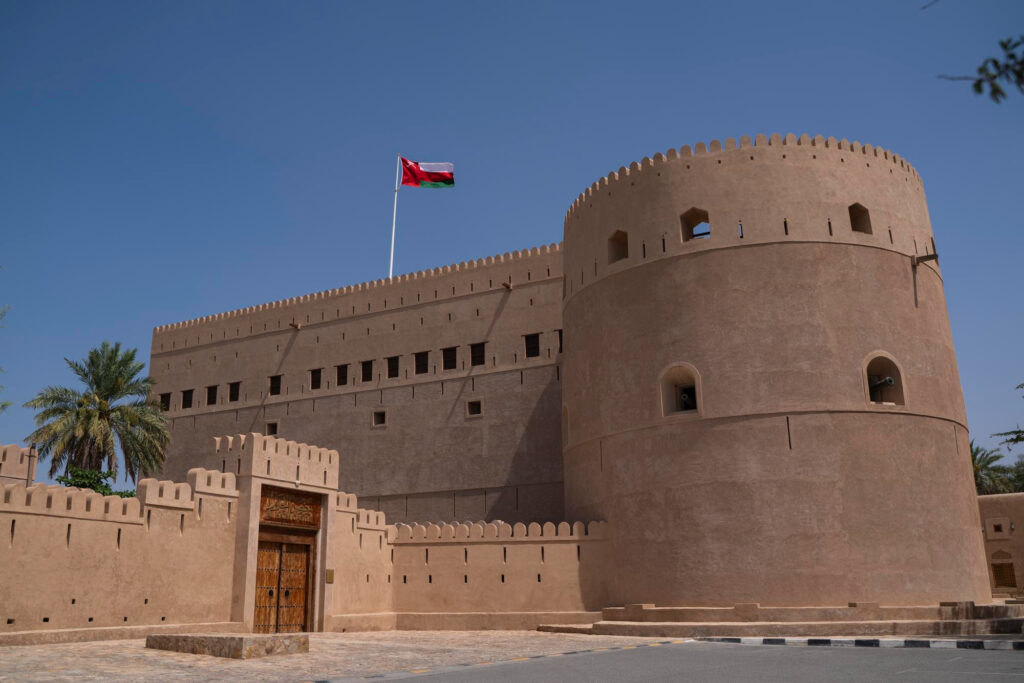
Oman offers tourists many amazing attractions, from ancient forts to modern architectural masterpieces. The Grand Mosque of Sultan Qaboos in Muscat is one of the largest mosques in the world and is a must-see. This architectural marvel accommodates up to 20,000 worshippers and impresses with its magnificence.
The historic Nizwa Fort, a former capital of Oman, is an outstanding example of Omani architecture. The fortress was built in the 17th century and served as a residence of imams. Today, the fort houses a museum that tells the story of the sultanate's history and culture.
The city of Salalah in the south of the country attracts tourists with its beaches and unique climate. During the monsoons from June through September, you can see mountains and waterfalls here, which is unusual for the Persian Gulf region. Salalah is also known as the birthplace of frankincense—a precious resin that has been exported from here around the world for centuries.
The Musandam Peninsula offers excellent opportunities for diving and snorkeling. The crystal-clear waters of the gulf are rich in marine life, and the underwater coral reefs are stunning in their beauty. Many tourists choose boat tours to explore the fjords of Musandam.
The Rub' al Khali Desert offers unforgettable safaris by jeep and camel. Tourists can spend the night in a Bedouin camp under the starry sky and get to know the traditional way of life of the nomads.
Transport and Safety
Oman is one of the safest countries in the world and ranks 2nd in safety globally after Iceland. The crime rate is extremely low, and local authorities pay great attention to the safety of tourists.
You can get around the country by renting a car, which is the most convenient way for tourists. Roads in Oman are in good condition, and road signs are duplicated in English. An international driver's license and a credit card are required to rent a car.
Public transportation in the form of buses connects the main cities of the country, but the schedule may be irregular. In large cities, especially in Muscat, you can find taxis at a lower price if you negotiate the fare in advance.
Drunk driving is strictly prohibited and punishable by heavy fines and imprisonment. Oman has strict traffic rules, and violations can have serious consequences.
Tourists should avoid photographing local residents without their permission, especially women, as well as military facilities and government buildings. It is also not recommended to take photographs in public places during prayer or religious ceremonies.
Cuisine and Shopping
Omani cuisine is a unique blend of Arab, Persian, Indian, and African culinary traditions. The diet is based on fish and seafood, rice, meat, and vegetables. All dishes are prepared in accordance with halal principles.
The traditional Omani beverage is qahwa (Omani coffee), which is served with dates and is a symbol of hospitality. Coffee is prepared with the addition of cardamom and rose water, which gives it a unique aroma and taste. Tea with milk and spices is also popular in restaurants.
You should definitely try shuwa—a traditional lamb dish prepared in special earthen ovens. Various types of grilled fish, saffron rice, and various types of bread are also popular.
Shopping in Oman offers a wide selection of traditional goods and modern brands. In traditional markets (souks), you can purchase frankincense, silver jewelry, spices, carpets, and traditional khanjar daggers. Modern shopping centers in Muscat offer international brands and local goods.
Oman is famous for producing the world's most expensive perfumes, made from rose water and natural essences. These fragrances make an excellent souvenir and a reminder of your trip to the sultanate.
Practical Information for Tourists
Medical care in Oman is of a high standard, especially in private clinics in major cities. However, the cost of medical services for tourists can be significant, so it is recommended to purchase insurance before your trip.
Electricity in the country is supplied at 240 volts. Outlets in Oman are of the British type, so tourists from other countries will need an adapter. Most stores sell adapters for various types of plugs.
Internet and mobile communications in Oman are well developed. Wi-Fi is available in most hotels, restaurants, and shopping centers. Oman's phone code is +968. You can purchase local SIM cards or telephone cards for calls from landlines as well as for mobile communications.
The working week in Oman runs from Sunday through Thursday, with Friday and Saturday as weekends. Most shops and offices are open from 8:00 to 13:00 and from 16:00 to 19:00. During Ramadan, working hours are reduced.
Tipping in Oman is not mandatory but is appreciated for good service. In restaurants, it is customary to leave 10–15% of the bill if a service charge is not included in the bill.
Banks and exchange offices operate from Sunday through Thursday. ATMs are widely available in cities, and most accept international cards. Credit cards are accepted in most hotels, restaurants, and shops.
Oman remains a unique place on the world map where ancient traditions harmoniously blend with modern development, and natural beauty is complemented by a rich cultural heritage. This country offers an unforgettable experience to all those who strive to discover authentic Arab culture in a safe and hospitable atmosphere.
Conclusion
The Sultanate of Oman is an ideal destination for those who want to visit an authentic Arab country away from crowds of tourists. This is the only country in the region that has preserved its unique cultural identity, offering travelers the opportunity to immerse themselves in the true atmosphere of the East.
From the magnificent mosques of Muscat to the mysterious deserts and crystal-clear waters of the Gulf of Oman—each corner of this country tells its own story. Oman is very welcoming to tourists, and local residents are always ready to share their traditions and culture.
Thanks to its high standard of safety, easy access to shops, restaurants, and museums, and variety of attractions, a vacation in Oman is suitable for both beach lovers and fans of active tourism and cultural exploration. The Salalah resort, historic forts, picturesque fjords of Musandam, and endless deserts create a unique mosaic of impressions.
When planning tours to Oman, it is worth remembering that this country is not just a tourist destination but a living museum of Arab culture, where each beach, each mosque, and each encounter with local residents leaves an indelible mark on the traveler's memory. Oman is a place you want to return to again and again, discovering new facets of this amazing country of contrasts.
