Hilton: International Premium Hotel Network
The history of the Hilton brand, its hotel categories and service standards — from budget accommodations to luxury resorts worldwide.

Hilton is one of the largest and most recognizable hotel brands in the world. This international network of premium hotels has set quality standards in the hospitality industry for more than a century. Hilton Worldwide operates thousands of hotels in different categories on all continents, offering travelers accommodations ranging from budget to ultra-luxury levels.
The Hilton brand has become synonymous with high-class service, uniting various hotel categories under its name — from luxury resorts to business hotels in the centers of major cities. Each hotel in the network, regardless of location, maintains unified international quality service standards, making Hilton one of the most reliable choices for travelers worldwide.
In modern terms, Hilton Hotels & Resorts represents not simply a hotel chain but a complete hospitality ecosystem, encompassing various segments: from classic hotels to innovative accommodation concepts, conference centers and spa resorts. Thanks to this diversity, the network meets the needs of both business travelers and tourists visiting for leisure.
The History of Hilton
The network's history began in 1919 when American entrepreneur Conrad Hilton acquired his first hotel, the Mobley Hotel in Cisco, Texas. This moment became the starting point in the creation of one of the world's largest hotel empires. Initially, the hotel was designed to accommodate oil workers in the region and quickly became a profitable enterprise. Hilton later said that the key to the hotel business is understanding the needs of your guests.
In the following years, Conrad meticulously acquired competing hotels, expanding his presence in the market. He acquired competing hotels and built new properties, forming the foundation for his future empire. The entrepreneur always carefully analyzed each opportunity when planning to buy a hotel, studying financial metrics and location potential. Through his strategy of acquiring competing hotels and building new ones, he created a unique business model.
Key Stages of Development
1925 — opening of the first hotel under the Hilton brand in Dallas. Conrad decided to build his first proprietary hotel, which became a reflection of his vision for ideal hotel service.
1943 — Hilton becomes the first hotel company whose shares are traded on the New York Stock Exchange. During this period, Conrad soon earned the nickname "the man who buys hotels."
1949 — the opening of the Caribe Hilton in Puerto Rico was a landmark event. This was the network's first international hotel, opening a new era in the history of Hilton International. Today Hilton regards this event as the beginning of its global expansion.
1954 — Hilton acquired the famous Statler Hotels chain. This deal became the largest event in the entrepreneur's career, as it was the largest in the USA achievement of that time. The acquisition became the largest in the USA purchase in the hotel industry, or more precisely — the largest in the USA real estate acquisition in history up to that point. Among the acquired properties was New York's most prestigious hotel, which significantly strengthened the company's position. After this, Hilton became the undisputed leader of the American hotel market.
1955 — introduction of air conditioning in all rooms and the first airport hotel. Conrad made a revolutionary step, implementing innovations that increased the number of bedrooms without losing comfort. Important changes were happening within Hilton hotels — new service standards were being introduced.
1959 — implementation of a system for direct international dialing in rooms.
1969 — at the Hilton Amsterdam, John Lennon and Yoko Ono held their famous "Bed-In" peace protest. The event at Amsterdam with John Lennon and Yoko made the hotel an iconic location.
In the 1960s, Hilton Corporation actively expanded its international presence. During these years, Hilton was growing rapidly, and the company gained the status of a global brand. The network achieved presence on all continents and became the world's first hotel chain of such scale. Hilton Group united various brands and accommodation formats under its management.
However, during the oil crisis of the 1970s, Hilton lost some of its overseas assets, leading to company restructuring. Despite the difficulties, Hilton managed to survive and strengthen. An important role during this period was played by the Hilton Foundation — a charitable organization founded by Conrad Hilton that continued to support social initiatives even in difficult times.
In subsequent decades, the company developed new directions. This is how the Hilton Grand Vacations brand appeared, specializing in timeshare real estate and resort vacations. The founder's son, Barron Hilton, made significant contributions to business development, and his granddaughter, Paris Hilton, later became a media personality, attracting additional attention to the family brand.
In 2009, the company underwent rebranding and became known as Hilton Worldwide, reflecting the global scale of the network's operations. This transformation marked a new stage in the company's development, including digital transformation and expansion of its brand portfolio.
Innovations and Standardization
Throughout its history, Hilton has repeatedly been a pioneer in its industry. The company has implemented many innovations that subsequently became standards for the entire sector. In all hotels, guests were met with a standardized set of services and amenities, which was a revolutionary approach for its time. Guests were met with a standardized set of services, including unified standards of cleanliness, comfort and service — from the first televisions in rooms to mobile keys and digital check-in through an app.
Conrad Hilton was the first to understand the importance of maintaining ownership of his company, which allowed him to preserve a unified development strategy. Every Hilton Hotel was built according to unified standards but adapted to local market characteristics.
Today, Conrad Hilton's legacy continues to live in the company's corporate culture, which continues to strive for innovation and improved guest service quality worldwide.
Scale of Operations
Today, the Hilton hotel network is one of the world's largest hotel companies. The Hilton Worldwide portfolio includes more than 7,000 hotels located in 122 countries on all continents. The company is the largest hotel chain in the world, surpassing many competitors in the number of properties. Daily, the network's hotels host hundreds of thousands of guests, and the total room inventory exceeds 1 million rooms.
Hilton's geographic presence covers:
- North and South America
- Europe and the United Kingdom
- Asia-Pacific region
- Middle East and Africa
- Russia and CIS countries
The company operates 18 different brands, each oriented toward a specific category of travelers.
Hilton Hotel Categories:
Luxury segment:
- Waldorf Astoria Hotels & Resorts
- Conrad Hotels & Resorts
- LXR Hotels & Resorts
Premium segment:
- Hilton Hotels & Resorts
- Curio Collection by Hilton
- Embassy Suites by Hilton
Mid-range segment:
- DoubleTree by Hilton
- Hilton Garden Inn
- Hampton by Hilton
This diversity of brands allows the Hilton network to meet the needs of various categories of travelers — from business tourists to vacationing families, from budget-conscious travelers to luxury enthusiasts.
An important aspect of the scale of operations is not only the number of hotels but also the continuous development of the network. The company regularly opens new properties, renovates existing ones and enters new markets, which allows it to maintain its status as one of the leaders in the global hospitality industry.
Standards and Features
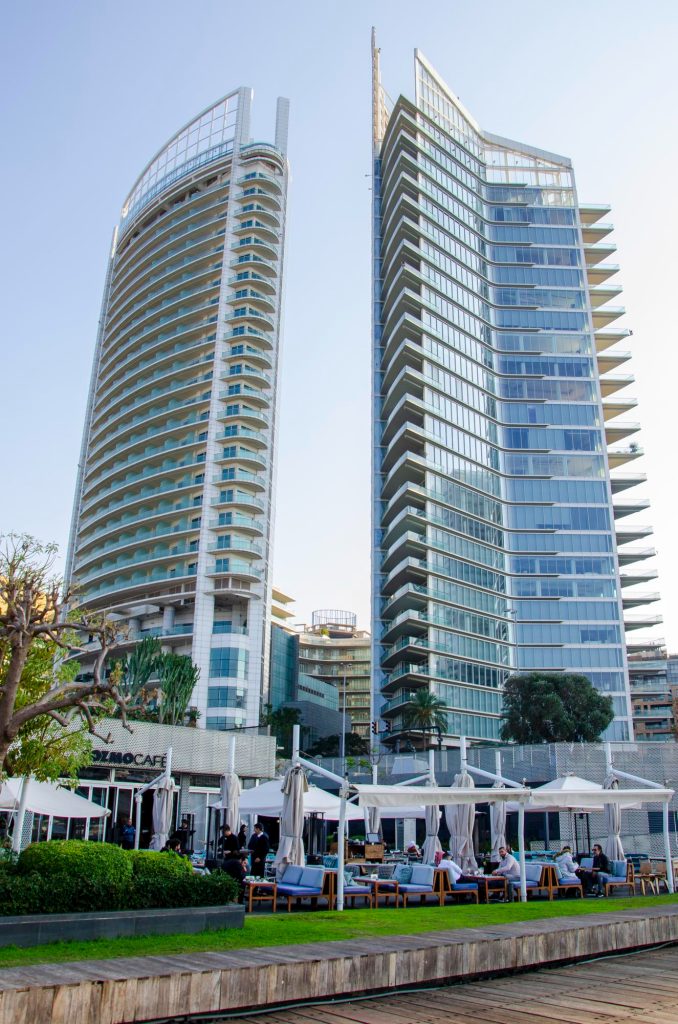
Hilton network hotels operate according to a unified quality standards system, with most hotels falling into the 4-5 star category. Hotel star ratings are determined not only by the network's internal standards but also comply with international hotel classification criteria.
Hotel categories by service level:
5 stars:
- Premium hotels in central locations
- Full range of premium services
- Extended amenities
- Individual service
4 stars:
- High-class business hotels
- Standardized quality service
- Optimal price-to-quality ratio
Key Service Standards:
Unified room comfort standard:
- Signature Sweet Dreams by Hilton beds
- Ergonomic work space
- Modern appliances
Amenities:
- Conference rooms and business centers
- Fitness centers and spa areas
- Restaurants and bars
Security:
- 24/7 security
- Modern access control systems
- Latest-generation fire safety systems
Special attention is paid to digital technologies and innovations:
- Digital check-in and check-out
- Mobile key via app
- High-speed internet in all areas of the hotel
- Smart comfort management systems in rooms
All hotels in the network regularly undergo quality audits, ensuring the maintenance of high service standards regardless of location. The quality control system includes both internal inspections and independent evaluation by international experts.
Hilton in Russia
Hilton began operations in Russia in 2008, opening its first hotel in Moscow. Since then, the network has been actively developing in the Russian market, opening hotels in major cities and regional centers.
Geography of Presence in Russia:
Moscow and region:
- Hilton Moscow Leningradskaya
- DoubleTree by Hilton Moscow
- Hampton by Hilton Moscow
Saint Petersburg:
- Hampton by Hilton Saint Petersburg
Regional centers:
- Volgograd
- Novosibirsk
- Krasnodar
- Tver
- Voronezh
Features of Network Hotels in Russia:
Adaptation to the local market:
- Restaurant menus tailored to local preferences
- Russian-speaking staff
- Information materials in Russian
Business infrastructure:
- Conference rooms with modern equipment
- Simultaneous interpretation services
- Business centers with a full range of services
Hotel categories:
- Premium class (5 stars)
- Business class (4 stars)
- Mid-range hotels
Russian hotels fully comply with Hilton's international standards while taking into account the characteristics of the local market and the needs of Russian guests. In each city of operation, hotels occupy convenient locations with good public transport accessibility, which is particularly important for business travelers.
Hotels in Russia are oriented toward both domestic and international travelers, offering world-class service combined with an understanding of local specifics and culture.
Loyalty Programs and Booking

Booking Methods:
Official channels:
- International website Hilton.com
- Hilton Honors mobile app
- Booking center by phone
Additional channels:
- Travel agencies
- Corporate booking portals
- International online booking systems
Hilton Honors Loyalty Program:
Hilton Honors is an international loyalty program that allows guests to accumulate and use bonus points at all network hotels. The program includes several levels of participation:
Member (basic level):
- Free registration
- Basic point accrual
- Access to exclusive rates
Silver:
- Increased point accrual
- Fifth night free when booking 5 or more nights
- Complimentary bottled water
Gold:
- Room upgrade (if available)
- Continental breakfast
- Additional bonus points
Diamond:
- Maximum privileges
- Guaranteed room upgrade
- Access to lounge areas
Benefits for Regular Guests:
- Accumulation of points for stays and additional services
- Ability to redeem points for free nights
- Special offers and promotions
- Digital key via mobile app
- Online room selection
- Personalized offers
The booking system and loyalty program are integrated with each other, allowing guests to most effectively plan their trips and receive additional benefits with each stay at the network's hotels.
Conclusion
Development Prospects
Hilton continues to strengthen its position as one of the leading players in the global hospitality industry. The company's development strategy includes several key directions:
Geographic expansion:
- Development of new markets
- Strengthening presence in developing regions
- Network expansion in existing locations
Technological innovations:
- Development of digital services
- Implementation of smart hotel management systems
- Improvement of mobile applications
Sustainable development:
- Environmental initiatives
- Social responsibility programs
- Energy-efficient technologies
Role in the Global Hospitality Industry
The Hilton network continues to be one of the trendsetters in the industry. The company actively participates in shaping new quality standards and implementing innovative solutions that subsequently become industry norms.
Key areas of influence on the industry:
- Development of new accommodation formats
- Creation of innovative service concepts
- Implementation of advanced technological solutions
- Development of industry quality standards
Over more than a century of history, Hilton Worldwide has proven its ability to adapt to changing market conditions and guest needs. Today, the company continues to develop, preserving traditions of quality and implementing innovations, which allows it to remain one of the leaders in the global hospitality industry.


