The World Islands in Dubai: An Artificial Wonder
The World Islands in Dubai: around 300 artificial islands shaped like a world map—how this upscale real estate project in the gulf is designed.

The World Islands in Dubai represents one of the most ambitious engineering projects of our time. This artificial archipelago consists of hundreds of islands located in the waters of the Persian Gulf off the coast of the emirate of Dubai in the UAE. The World Islands became a symbol of an innovative approach to creating luxury real estate and tourist infrastructure.
Description of the World Islands Archipelago
The World Islands archipelago includes around 300 artificial islands that recreate a map of the world in miniature. Each island in the archipelago has a unique shape corresponding to the outlines of real continents and countries. The total area of the complex is around 9 square kilometers, and the coastline extends for dozens of kilometers.
The islands are located 4 kilometers from Dubai's shoreline and 4 kilometers from the popular Dubai Marina district. The water body between the islands, with depths ranging from 8 to 16 meters, creates natural channels ranging from 50 to 100 meters wide. Sand for creating the islands was dredged from the bottom of the Persian Gulf and sprayed using specialized equipment.
Project Concept and Geography of the Islands
The idea of creating the archipelago belongs to Sheikh Mohammed bin Rashid Al Maktoum, the ruler of Dubai. The concept involved creating islands in the form of a world map, where each continent is represented by separate islands. The developer Nakheel was responsible for this luxury project.
Seven islands in the form of continents form the main structure of the archipelago. Smaller islands representing individual countries number in the hundreds. The area of each island varies depending on the size of the territory it represents. The difference from the Palm Islands lies in a more complex geographical concept and a greater number of individual islands.
History of Creation and Construction
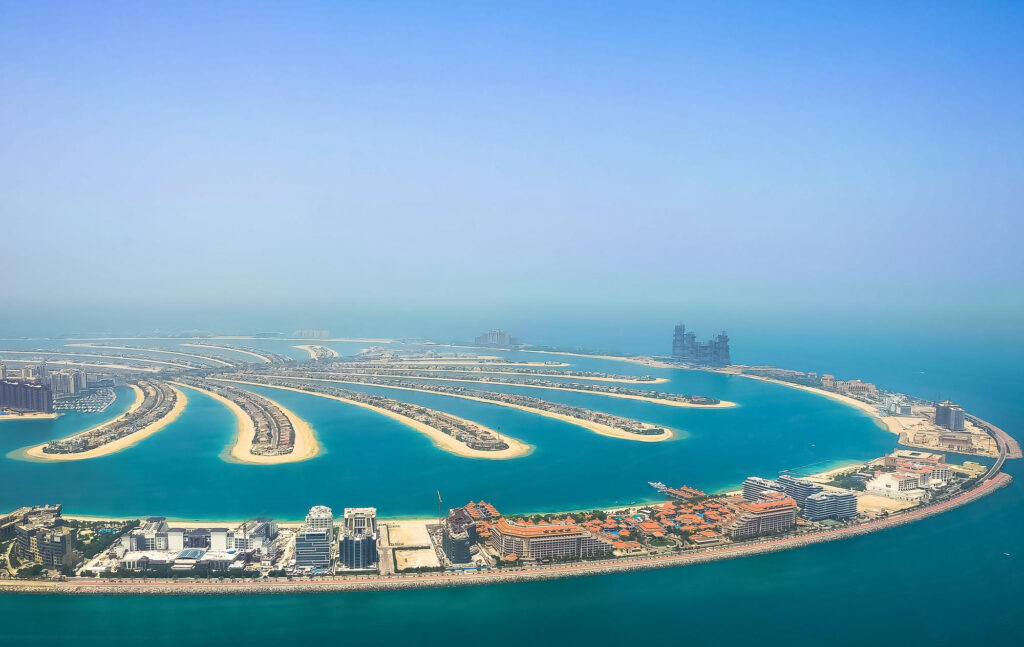
Construction of the archipelago began in 2003 under the direction of Nakheel. Japanese and Norwegian dredging technologies were used to create the artificial islands. Sand from the bottom of the Persian Gulf was moved to form new islands, while desert sand was used to reinforce shorelines.
The project required the creation of a complex system of breakwaters to protect the islands from waves and erosion. The islands were designed to ensure each owner had sea views and maximum privacy. However, the 2008 financial crisis seriously slowed construction, and many islands remained undeveloped.
Current Status and Development Prospects
To date, only a small portion of the archipelago's islands has been fully developed. Several island complexes function successfully as luxury resorts and private residences. Nakheel left many projects in a state of waiting for better economic conditions.
Among successfully completed projects is a beach club and several luxury villas on individual islands. Investors show cautious interest in acquiring real estate in the archipelago, given the high risks and significant investment requirements.
Real Estate and Investments in the Archipelago
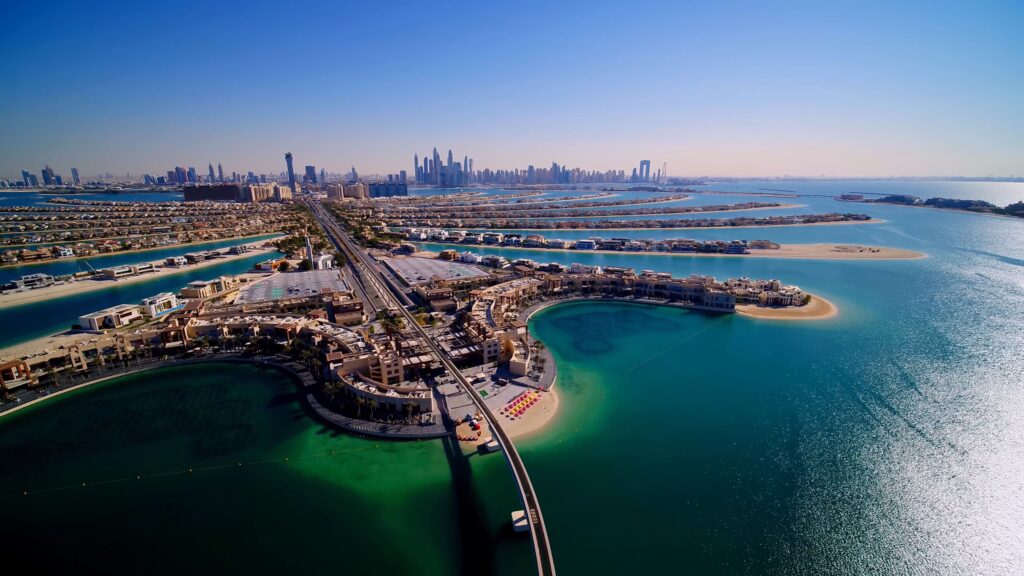
Property values in the archipelago range from several million to tens of millions of dollars per island. Luxury villas and mansions offer an exclusive lifestyle with private beaches and yacht moorings. Each island represents a unique investment opportunity.
Investors must account for high costs related to infrastructure and island maintenance. Access to the islands is only possible by water or air transport, which increases operating expenses. Investment profitability remains questionable due to limited demand for such exclusive property.
Infrastructure and Amenities
The archipelago features private marinas, heliports and luxury resorts. Exclusive hotels operate on some islands, offering the highest level of service. Each island is equipped with water supply, electricity and communication systems.
The beaches of the archipelago are distinguished by pristine white sand and crystal clear water. Guests can use the services of private chefs, personal guides and security services. Some islands offer world-class spas, restaurants and entertainment complexes.
Transportation Accessibility and How to Get There
The islands of the archipelago can be reached exclusively by water transport—private yachts, speedboats or water taxis. Air access is available by helicopter, which lands on specially equipped platforms.
Regular public transport to the archipelago does not exist. Island owners typically organize their own logistics or use the services of specialized companies. Travel time from the mainland is between 15 and 30 minutes depending on the chosen transport.
Ecological Aspects and Concerns
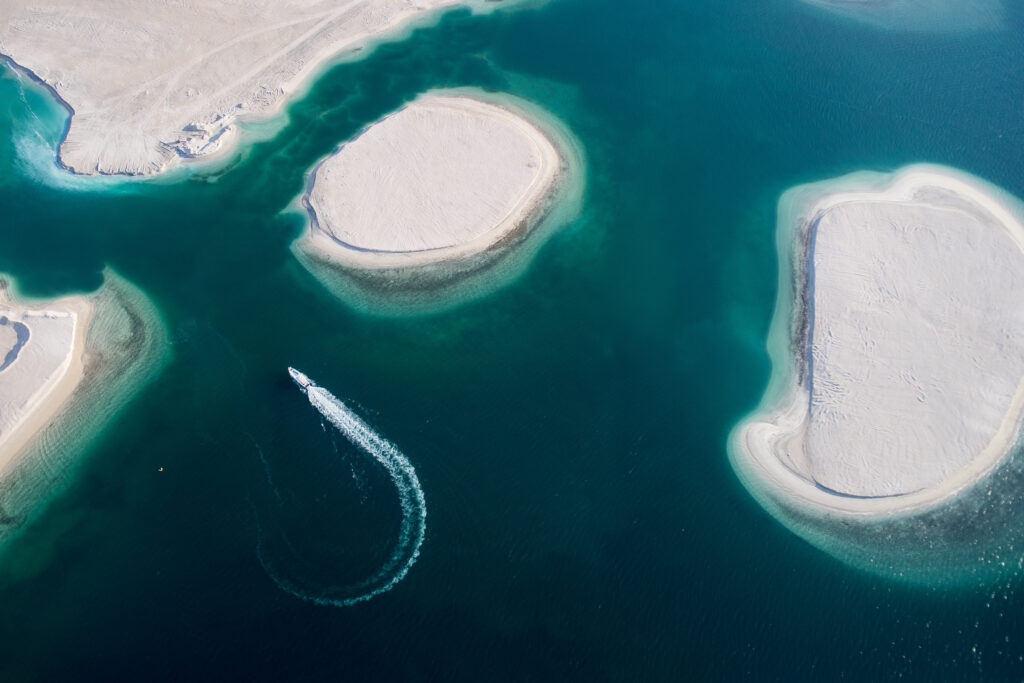
The creation of the artificial archipelago had a significant impact on the marine ecosystem of the Persian Gulf. Dredging disturbed natural coral reefs and affected the region's flora and fauna. Some islands have begun to erode due to wave and current action.
Ecologists note changes in seawater circulation and water quality in the lagoons between islands. The developer has taken measures to minimize environmental damage, including creating artificial reefs and programs to restore marine life.
Practical Information for Tourists and Investors
To visit the archipelago, tourists from most countries will need a visa to the UAE. It is recommended to book accommodation and transport in advance through specialized tourism companies. The cost of staying on the islands significantly exceeds prices at regular Dubai hotels.
Potential investors should carefully study the legal aspects of acquiring real estate in the emirate and account for all associated expenses. From a bird's eye view, the archipelago looks impressive, but the practical aspects of island ownership require serious financial planning.
The World Islands remain one of the most ambitious projects in the world, demonstrating the engineering capabilities of modern times and Dubai's commitment to innovation in the field of luxury real estate and tourism.


