Luxembourg: A Complete Guide to the Grand Duchy
Luxembourg is a Grand Duchy in the heart of Europe: fortresses, status as a financial center, geography and the life of one of the world's richest countries.

Luxembourg is a remarkable country that combines rich historical heritage, a modern economy and a unique culture. The Grand Duchy of Luxembourg is located in the very heart of Europe and represents one of the most prosperous regions of the continent. This city-state attracts millions of tourists with its ancient fortresses, picturesque valleys and status as a major financial center.
Geography and climate
Luxembourg is located in Western Europe between three major powers. The country borders Belgium to the west and north, Germany to the east, and France to the south. Luxembourg's territory covers only 2,586 km², making it one of Europe's smallest states.
Luxembourg City is the capital and largest city in the country. The capital is located on picturesque hills where the Alzette River flows. The northern region of the country is characterized by the hilly terrain of the Ardennes, where the highest point, Knayff Hill, reaches 560 m. The southern part is a flat plain where the Moselle River and its tributaries flow.
The Moselle and Sûre rivers play an important role in Luxembourg's geography. Along the Moselle River are famous vineyards producing world-renowned wines, including Riesling and Rivaner. The Moselle Valley is known for its picturesque landscapes and historic cities.
The climate in Luxembourg is moderately continental with mild winters and warm summers. The average January temperature is around 0°C, while summer temperatures rise to 25°C. Good transportation links and services make travel throughout the country comfortable at any time of year.
History of Luxembourg
Luxembourg's history began in 963, when Count Siegfried acquired a rocky promontory and built the fortress of Lucilinburhuc on it. This event became the starting point for the creation of the future state. Luxembourg Fortress gradually became an important strategic point in the Holy Roman Empire.
In the Middle Ages, Luxembourg became a county, then a duchy within the Holy Roman Empire. In the 14th century, representatives of the Habsburg dynasty gained control of the territory. Later, Luxembourg became a duchy within the Burgundian inheritance, which determined its future fate.
A particularly important period was the 19th century, when a treaty on Luxembourg's status was signed in 1867. This document guaranteed the country's neutrality and independence from major European powers. Luxembourg gained the status of a Grand Duchy under the protection of the great powers.
The 20th century brought serious challenges. During World War II, the country was occupied by German forces, but in 1944 Luxembourg was liberated by Allied forces. After the war, the country actively participated in the creation of European institutions and in 1958 became one of the founders of the European Economic Community.
Political system and administrative divisions
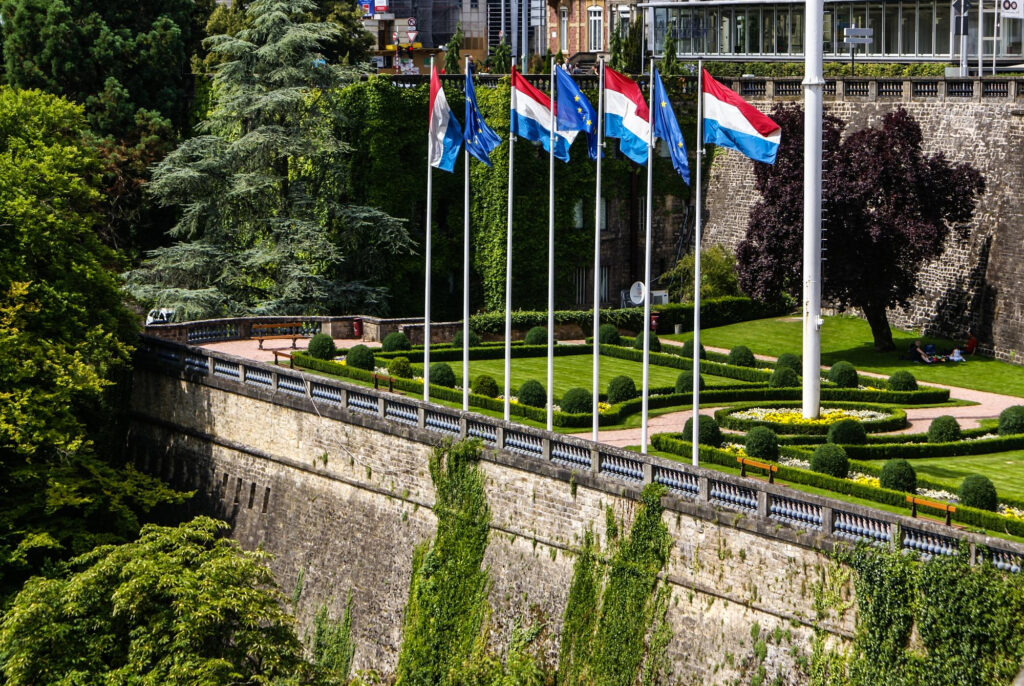
Luxembourg is a constitutional monarchy headed by a Grand Duke. The Grand Duke is supported by a government led by a prime minister. Legislative power belongs to the Chamber of Deputies, which is elected for five years.
Administratively, the country is divided into 12 cantons: Luxembourg, Diekirch, Grevenmacher and others. Each canton includes several communes — the country has 102 communes in total. Luxembourg City as the capital has special status and is the center of political and economic life.
The Palace of the Grand Dukes in the capital serves as the official residence of the head of state. The Ducal Palace is open to tourists during certain periods of the year. Luxembourg's political system is characterized by stability and a high level of democratic institutions.
Luxembourg is among the founding countries of major European organizations. The country is a member of the EU, NATO, the UN and other international structures. Union with Belgium and the Netherlands within Benelux strengthens the country's position in European politics.
Population and culture
Luxembourg's population is approximately 640,000 people, making it one of Europe's least populated countries. However, population density is quite high due to the compact territory. Luxembourgers make up about 52% of the population, with the rest represented by foreigners: Portuguese, French, Germans, Belgians and representatives of other nationalities.
The linguistic situation in the country is unique. The official languages are Luxembourgish (Lëtzebuerg), French and German. Luxembourgish is considered the national language of Luxembourg and is used in everyday communication. French and German are used in official documents, education and business.
The religious composition of the population is traditionally Catholic, although in recent decades the number of representatives of other faiths is growing. Luxembourg's culture was shaped by the influence of neighboring countries — France and Germany, which created a unique cultural blend.
National Day is celebrated on June 23 in honor of the Grand Duke's birthday. This day is accompanied by festivities throughout the country. Luxembourg traditions include various festivals, fairs and cultural events that attract tourists from around the world.
Economy
Luxembourg's economy is one of the most developed in the world. The country ranks first in the world by GDP per capita, which testifies to a high standard of living. The foundation of the economy is the financial sector, which has made Luxembourg a major European financial center.
The banking system includes more than 140 banks, many of which are subsidiaries of the world's largest financial institutions. Each bank in Luxembourg operates in accordance with European standards and offers a wide range of services for private and corporate clients.
Industry has traditionally been based on steel production. ArcelorMittal, the world's largest steel producer, has its headquarters here. However, in recent decades the economy has diversified towards high technology and services.
Agriculture plays a modest role in the economy, but has its own characteristics. Wine production is an important sector, especially in the Moselle River valley. Local wines have gained international recognition and are exported to various countries around the world.
Practical information for travelers
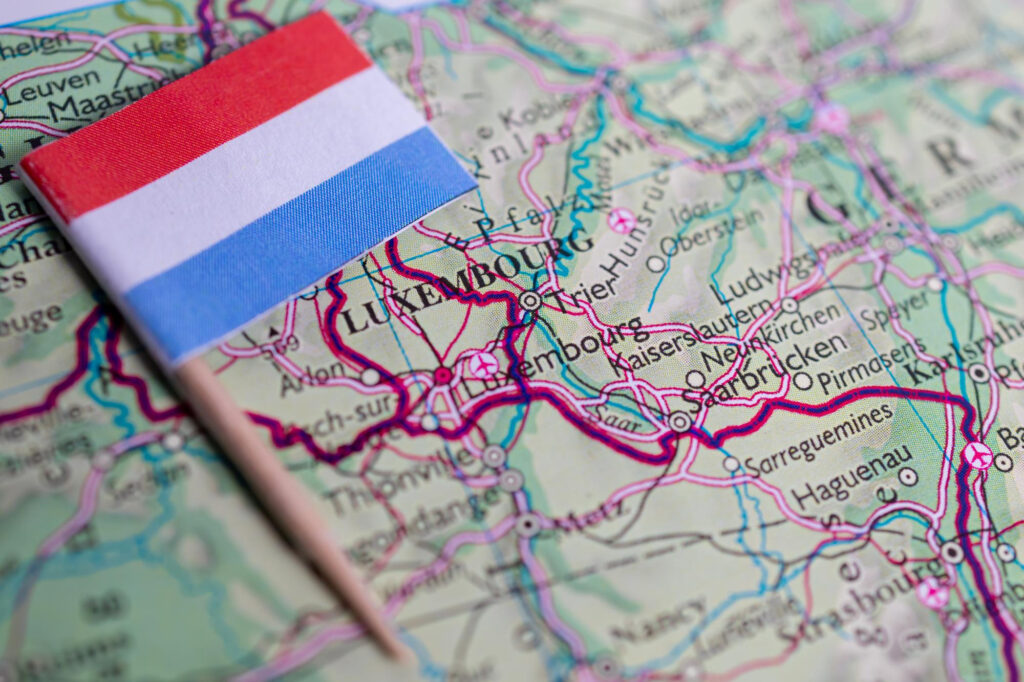
Luxembourg is part of the Schengen Area, which significantly simplifies travel for citizens of EU countries. Russian tourists need a Schengen visa to visit the country. The currency is the euro, which is convenient for travelers from other European countries.
You can reach Luxembourg in various ways. Findel International Airport serves flights from many European cities. Rail connections link the country with Belgium, Germany and France. Each train arriving in Luxembourg is distinguished by comfort and punctuality.
Public transport in the country has been free since 2020, which makes travel especially convenient. Buses and trains connect all major cities and tourist attractions. The transport system is well developed and allows easy movement between different regions.
Safety in Luxembourg is at a very high level. The country is considered one of the safest in the world for tourists. Medical care is available and of high quality, although it is recommended to have travel insurance.
Attractions and tourism
Luxembourg's Old Town is listed as a UNESCO World Heritage Site for its unique architecture and historical significance. The Upper Town is located on a rocky plateau and includes many historical monuments. The main attraction is the Bock Casemates — a system of underground fortifications that were used for the city's defense over the centuries.
Notre-Dame Cathedral is a magnificent example of Gothic architecture. The cathedral serves as the burial place of members of the Grand Ducal family. Adolphe Bridge is one of the symbols of the city, connecting different districts of the capital. This historic bridge was built in the early 20th century and still impresses with its architecture.
Vianden Castle is one of Europe's most impressive fortresses. The town of Vianden is located in a picturesque valley and attracts tourists with its medieval atmosphere. Castles are abundant not only in the capital, but also in other regions of the country.
The Palace of the Grand Dukes in the city center is open for tours. William II Square is the center of public life in the capital. The "Golden Lady" monument is a symbol of Luxembourg's independence and freedom.
Natural parks offer excellent opportunities for hiking. The country's tourism potential includes not only historical sites but also beautiful natural landscapes.
Useful information
Luxembourg cuisine combines German traditions with French influences. National dishes include Gromperekichelcher (potato pancakes) and Judd mat Gaardebounen (smoked pork with beans). Restaurants offer both traditional and international dishes.
Shopping in Luxembourg attracts tourists due to its duty-free trading status. Many goods can be purchased at lower prices compared to neighboring countries. The city center offers both luxury boutiques and regular stores.
Cultural events include various music, art and film festivals. Luxembourg regularly hosts international cultural events. Local customs reflect the multicultural nature of society.
Connections with Russia are maintained through direct flights and diplomatic relations. Luxembourg is among the countries actively developing tourism links with various regions of the world.
Luxembourg is a unique country that offers travelers rich history, modern infrastructure and high levels of service. Thanks to its status as a European financial center and rich cultural heritage, the Grand Duchy of Luxembourg remains one of Europe's most attractive tourism destinations.
Conclusion
Luxembourg is a unique country that offers travelers rich history, modern infrastructure and high levels of service. The Grand Duchy of Luxembourg has managed to preserve its identity while located between major powers in Europe — Belgium, Germany and France.
From a medieval fortress founded in 963 by Count Siegfried to a modern financial center — Luxembourg's path demonstrates a remarkable ability to adapt and develop. Today, this small country with an area of just 2,586 km² holds leading positions in the world economy and is an example of successful integration into Europe.
The capital, with its UNESCO World Heritage Old Town, majestic casemates and picturesque valleys, offers unforgettable impressions. Whether exploring historical monuments, tasting local wines in the Moselle Valley or discovering modern European culture — Luxembourg will satisfy the interests of the most discerning travelers.
Thanks to its status as a financial center, developed transport infrastructure and hospitality of its multinational population, Luxembourg remains one of Europe's most attractive and safe destinations for tourism.


