French Alps: A Complete Guide to France's Mountain Region
French Alps: ski resorts, picturesque valleys and nature reserves along the border with Italy and Switzerland. How to get there and what to choose.

The French Alps represent a unique region that attracts millions of tourists from around the world. This majestic mountain range offers incredible diversity of recreational opportunities: from world-renowned ski resorts to picturesque valleys and protected territories. In this detailed guide, we will cover all aspects of travel to this remarkable corner of France.
Where the Alps are located in France and how to get there
The French Alps are located in the southeastern part of France, stretching along the border between France and Italy and Switzerland for more than 300 kilometers. The mountain range spans several departments: Upper Savoy, Savoy, Isère, Upper Alps, and also partially includes the Maritime Alps and Drôme.
You can reach the Alps in several ways. The main air gateways to the region are the airports of Geneva (1 hour by car from most Alpine resorts), Lyon (2 hours from Grenoble) and Grenoble. Regular train services run from major French cities to the Alpine region: from Paris to Grenoble takes about 3 hours by TGV high-speed train, to Chambéry — 2.5 hours, and to Lyon — 2 hours.
Road connections are also well developed. From Lyon to the foothills of the Alps can be reached in 1.5–2 hours, and from Turin — in 2–3 hours depending on your final destination. Many tourists prefer to rent a car for greater mobility in the mountain region.
An alternative option is to use bus routes that connect major cities with main resorts. Transfers from Geneva and Lyon airports directly to ski resorts are particularly popular in winter.
Geographic features and climate of the French Alps
The Alps represent the western part of a grand mountain range that extends across all of Europe. The region is characterized by exceptional landscape diversity: from gentle foothills at 500–1,000 meters to majestic peaks exceeding 4,000 meters above sea level.
The Alpine relief was formed over millions of years. Here you can observe all types of altitude zones: from deciduous forests in the valleys to meadows and the zone of eternal snows. Numerous valleys cross the mountain range, creating unique microclimate conditions.
The Alpine climate is continental with pronounced altitude zonation. In the valleys, winter temperatures rarely drop below −10°C, and in summer can reach +25–30°C. As you climb into the mountains, temperature decreases by approximately 6–7°C per thousand meters of elevation. At heights above 2,000 meters, snow cover lasts from November through April–May.
Precipitation in the region is unevenly distributed. Northern slopes receive more moisture from Atlantic air masses, while southern areas are characterized by a drier Mediterranean climate. Average annual precipitation ranges from 1,000 mm in the valleys to 2,500 mm in high mountain areas.
The winter season in the Alps lasts from December through March, providing excellent conditions for skiing. Summer months (June–September) are ideal for hiking, mountaineering and other active mountain pursuits.
Mont Blanc — the jewel of the European Alps
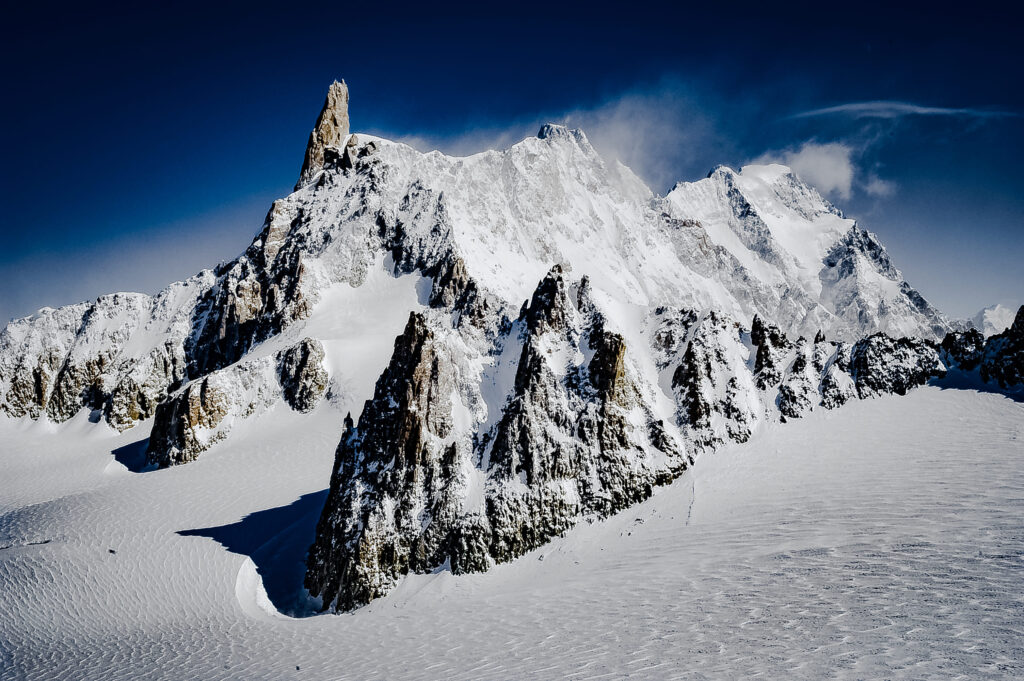
Mont Blanc is a true jewel not only of the French Alps but of all of Europe. This highest peak of the continent reaches 4,809 meters above sea level and serves as a symbol of the majesty of the Alpine nature. Mont Blanc is located on the border of France, Italy and Switzerland, but its French side offers the most developed tourist infrastructure.
At the foot of the massif lies the famous resort of Chamonix-Mont Blanc — the capital of world mountaineering and the site of the first Winter Olympic Games in 1924. This mountain resort offers unique opportunities for getting to know the mountain world. A cable car system allows you to climb to heights of more than 3,800 meters to the Aiguille du Midi station, from which breathtaking panoramas of the entire mountain range unfold.
Mer de Glace (Sea of Ice) glacier — one of France's largest glaciers, stretching about 7 kilometers. It can be reached by a historic rack railway that has been operating for over a century. A visit to the ice cave within the glacier leaves unforgettable impressions.
The Chamonix valley offers numerous routes for mountaineers of all skill levels. The famous Tour du Mont Blanc route runs here — one of the most popular trails in the Alps, which over 10–11 days allows you to circumnavigate the entire massif, crossing the territories of three countries.
Chamonix ski resort is known for its extreme runs and freeride opportunities. The legendary Vallée Blanche descent attracts experienced skiers from around the world with its 20-kilometer runs among glaciers and seracs.
Nature and ecosystem: flora and fauna of the region
The Alpine ecosystem of France is distinguished by exceptional biodiversity, which developed over thousands of years. Altitude zones create unique conditions for the existence of many endemic plant and animal species.
In the lower zone (up to 800–1,000 meters), deciduous forests of oak, beech and chestnut predominate. Moving higher, we enter the zone of coniferous forests, where spruce, fir and larch are dominant. These forests are home to red deer, roe deer, wild boar and many bird species.
The Alpine zone (1,500–2,500 meters) is characterized by rich meadows with unique flora. Famous edelweiss, Alpine asters, gentians and rhododendrons grow here. In spring and summer, these meadows turn into a true carpet of bright flowers.
The fauna of the Alps is remarkable for its diversity. In high mountain areas live marmots, which are easy to spot on sunny slopes. Mountain goats (ibex) were nearly exterminated in the 19th century, but thanks to reintroduction programs their population has recovered. Today, the French Alps are home to approximately 15,000 of these magnificent animals.
Among predators in local forests are lynx, which were reintroduced in the 1970s. In recent years, wolves have returned to the region, migrating from Italy. Golden eagles, bearded vultures and other birds of prey soar in the sky above the Alps.
Special mention deserves the local flora. At heights above 2,000 meters, remarkable plants adapted to harsh conditions grow: low temperatures, strong winds and intense ultraviolet radiation. Many of them form compact cushion-like shapes and have bright flowers.
French national parks in the Alps
The French take pride in their nature reserves, which protect the unique ecosystems of the region. Three largest national parks — Vanoise, Ecrins and Mercantour — offer tourists the opportunity to experience the wilderness of the Alps in its pristine form.
Vanoise Park, created in 1963, became France's first national park. Located in Savoy, it covers an area of 530 square kilometers and borders the Italian Gran Paradiso national park. The park is famous for its mountain goat populations — over 2,000 individuals live here. The park territory is crossed by numerous marked trails of varying difficulty.
Ecrins Park in the Isère department and Upper Alps is France's largest high mountain reserve. Its territory includes more than 100 peaks over 3,000 meters high, including Barre des Écrins peak (4,102 m). The park is known for its glaciers, lakes and diversity of mountain landscapes.
Located in the Maritime Alps is Mercantour national park, which is distinguished by Mediterranean influences on flora and fauna. Unique plant species grow here, and in the Vallée des Merveilles (Valley of Wonders) you can see ancient rock carvings over 4,000 years old.
All parks offer a developed network of hiking trails with varying difficulty levels. Trail marking is done in accordance with European standards, and information centers provide detailed maps and consultation on trip planning. Park visits are free, but strict rules must be observed to preserve the fragile Alpine ecosystem.
Cultural landmarks and local traditions
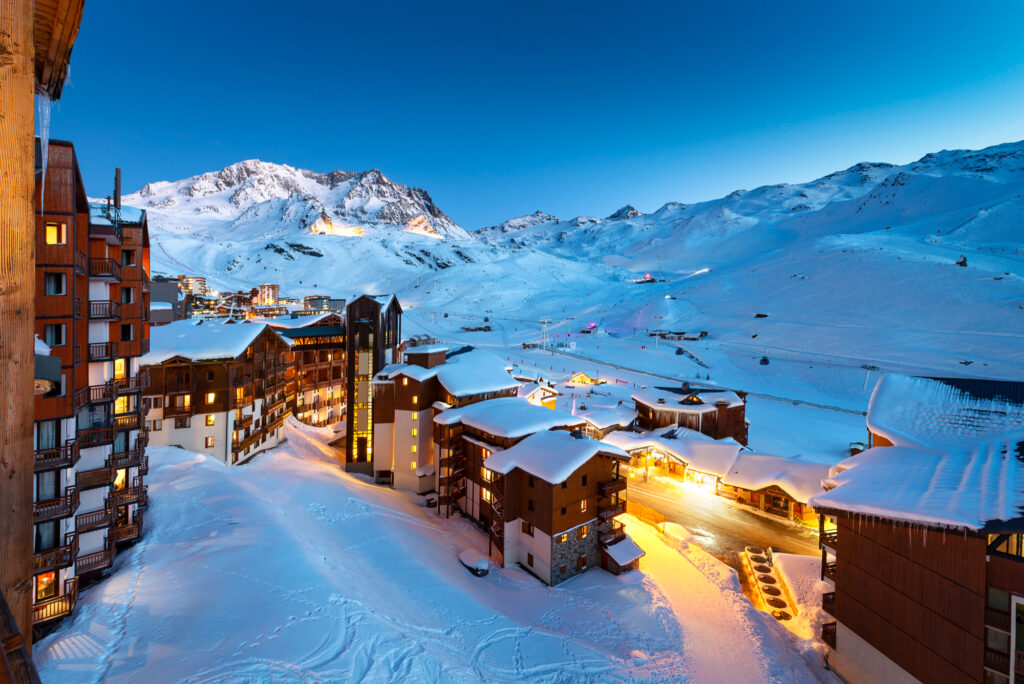
The cultural heritage of the Alps was shaped by various historical periods and geographical position at the intersection of trade routes. Savoyard architecture, with its characteristic wooden chalets, stone foundations and wide roofs, reflects adaptation to mountain conditions.
Traditional Alpine chalets were built from local stone and wood. The ground floor was typically used for keeping livestock, which provided additional heating for living quarters on the second floor. Characteristic wide roofs protected against heavy snowfalls, and wooden balconies served for drying hay and other household needs.
The region's gastronomy reflects mountain traditions and the influence of neighboring countries. Savoyard cuisine is famous for its cheeses: Reblochon, Beaufort, Tomme de Savoie and Abondance. Famous fondue and raclette have become symbols of Alpine cuisine. Tartiflette — a casserole of potatoes with Reblochon and bacon — is the region's signature dish.
Each valley has preserved its own craft traditions. The manufacture of wooden toys, wood carving, production of special bells and traditional embroidery continue to develop today. Many workshops are open to tourists.
Museums in the region present a rich history of the Alps. The Museum of Mountaineering in Chamonix tells the story of mountain peak conquests, and museums of folk traditions in various valleys demonstrate the lives of mountain dwellers of past centuries. Architectural landmarks include medieval castles, Romanesque churches and historic centers of mountain towns.
Festivals and holidays reflect the connection of local residents to natural cycles. The Alpine shepherds' festival celebrates the return of herds from summer pastures, and local product festivals allow you to experience the gastronomic traditions of each valley.
Best ski resorts and winter vacation
The Alps in France are the world capital of skiing, offering more than 400 ski resorts of various levels. The region is famous for its long runs, modern lifts and well-developed winter vacation infrastructure.
Courchevel is one of the most prestigious Alpine resorts, part of the Les Trois Vallées association. The resort offers 150 kilometers of runs of varying difficulty and is known for its luxury hotels and restaurants. Courchevel regularly hosts stages of the World Cup ski racing competition.
Val d'Isère and Tignes form a single ski area "Espace Killy" with a total run length of more than 300 kilometers. The high-altitude location of the resorts (up to 3,500 meters) guarantees excellent snow quality from November through May. Glacier 3000 (Grand-Motte) allows skiing even in summer.
Chamonix-Mont Blanc offers a unique skiing experience in the shadow of Europe's highest peak. The resort consists of several ski areas, including extreme runs for experienced skiers. The valley is known for freeride and heli-ski opportunities.
Meribel is the heart of the world's largest ski area, Les Trois Vallées. The resort offers 600 kilometers of runs and unites eight different resorts. Meribel's architecture follows traditional Savoyard style.
Avoriaz is part of the international Portes du Soleil ski area, which spans territory in France and Switzerland. The resort is known for its car-free architecture and family atmosphere. The total run length is 650 kilometers.
Serre Chevalier in the southern Alps offers 250 km of runs and is distinguished by a large number of sunny days. The resort is popular with families with children due to the variety of easy and intermediate runs.
La Plagne is known for its snowboarding opportunities and high snow quality. The resort offers 225 kilometers of runs and is connected to La Rosière, providing access to even greater variety of slopes.
Most major resorts offer unified ski passes, allowing you to ski in several areas. The cost of a daily ski pass ranges from €16 at small resorts to €60–70 at prestigious high-class resorts.
Summer tourism and ecotourism in the Alps
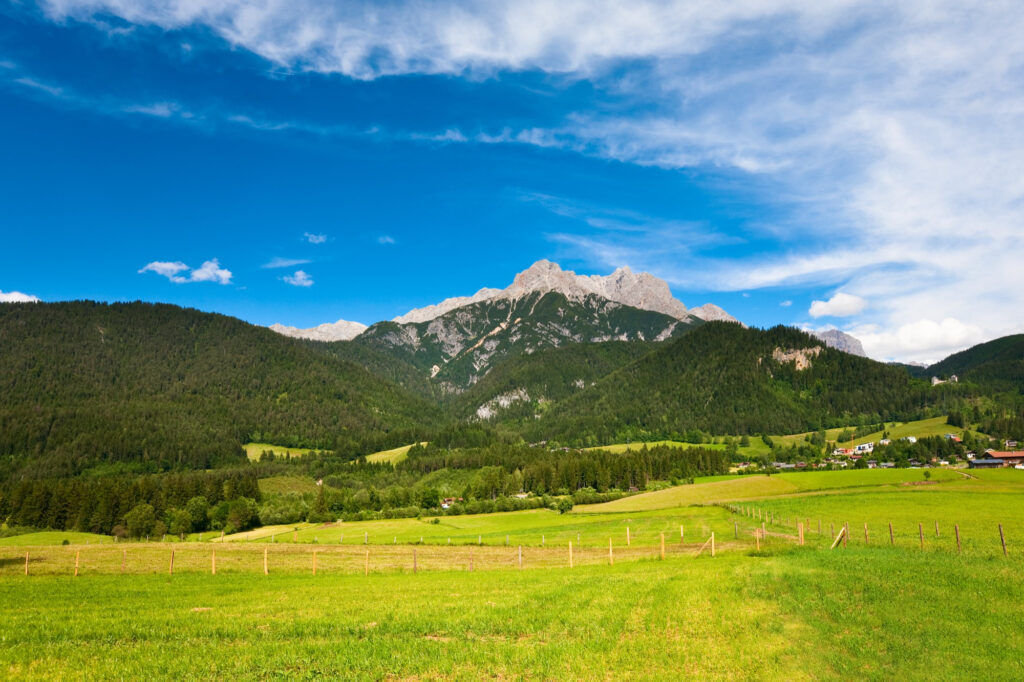
Summer months transform the Alps into a paradise for active holiday and ecotourism enthusiasts. Mountain valleys are immersed in the greenery of Alpine meadows, and the variety of routes allows everyone to find a suitable way to experience mountain nature.
Hiking is the most popular type of summer activity in the Alps. The region is crossed by trails of varying difficulty categories — from easy walks through valleys to multi-day high mountain treks. The famous GR (Grande Randonnée) trails pass through the most scenic corners of the Alps.
Tour du Mont Blanc is one of the most famous Alpine routes, which over 10–11 days allows you to circumnavigate Mont Blanc entirely. The route passes through the territories of France, Italy and Switzerland, offering incredible landscape diversity and cultural experiences.
Bicycle tourism is actively developing in the Alpine region. Many resorts offer mountain and electric bike rentals. Altitude differences and diverse landscape forms create excellent conditions both for leisurely valley rides and for extreme mountain biking.
Mountaineering and rock climbing find ideal conditions in the Alps. The region offers routes for all skill levels — from simple rock schools to technically difficult ascents of high peaks. Numerous mountain huts provide accommodation for mountaineers in high mountain areas.
Alpine mountain lakes offer swimming, fishing and water sports opportunities. Lake Annecy, Lake Bourget and Lake Geneva are famous for their purity and picturesque shores. Water temperature in summer reaches 20–25°C, making swimming comfortable.
Wildlife watching and photography are popular types of ecotourism. National parks and nature reserves offer special programs for observing mountain animals. Early morning and evening hours are the best time to encounter mountain goats, marmots and birds.
Horseback riding allows you to explore mountain trails at a leisurely pace. Many riding centers offer programs from hourly rides to multi-day horseback treks with overnight stays in mountain huts.
Practical advice for travelers
Planning a trip to the French Alps requires considering many factors, from choosing the season to preparing appropriate equipment. Proper preparation will help make your trip as comfortable and safe as possible.
The best time to visit depends on your trip goals. Winter season (December–March) is ideal for skiing, but prices peak during this period. Summer months (June–September) are suitable for hiking, mountaineering and ecotourism. Spring and autumn offer lower prices and fewer tourists, but weather can be unpredictable.
Trip budget varies considerably depending on the chosen resort and comfort level. At prestigious resorts like Courchevel or Meribel, accommodation costs can reach €200–500 per night at a high-class hotel. Budget accommodation options in hostels or apartments will cost €30–80 per night.
Insurance is mandatory for active mountain pursuits. Standard travel insurance should cover skiing, mountaineering and helicopter evacuation. The cost of mountain evacuation can reach several thousand euros.
Equipment depends on planned activities. For winter sports you need quality ski clothing, helmet and protection. In summer, important items include trekking boots, weather-appropriate clothing and sun protection. At high altitudes, ultraviolet radiation intensity is significantly higher.
Travel documents include a valid passport or EU identification card. A visa is not required for citizens of most countries. An international driving permit is recommended when renting a car.
The currency is the euro. Credit cards are accepted everywhere, but it is recommended to carry cash for small purchases at mountain huts. ATMs are available in all resort towns.
Connectivity in the mountains may be limited at high elevations. Major providers offer coverage up to 2,000–2,500 meters. It is recommended to notify friends of your route plans when hiking in high mountain areas.
Emergency services operate around the clock. The single emergency number in Europe is 112. The mountain rescue service (PGHM) specializes in mountain rescue operations. Many resorts have their own medical centers and rescue services.
Mountain safety requires special attention. Weather can change dramatically, especially at high altitudes. It is necessary to check the weather forecast, inform others of your plans and not deviate from marked trails without appropriate experience and equipment.
The French Alps offer unforgettable experiences for tourists of all ages and interests. From adrenaline-pumping ski descents to peaceful walks through Alpine meadows — everyone will find their ideal way to relax here. Proper preparation and adherence to safety measures will allow you to fully enjoy the beauty and grandeur of the French mountains.


