How to Buy an Apartment in Belarus as a Russian Citizen in 2026
How to buy an apartment in Belarus in 2026: rights within the Union State, the procedure for concluding a transaction, and why the market is attractive.
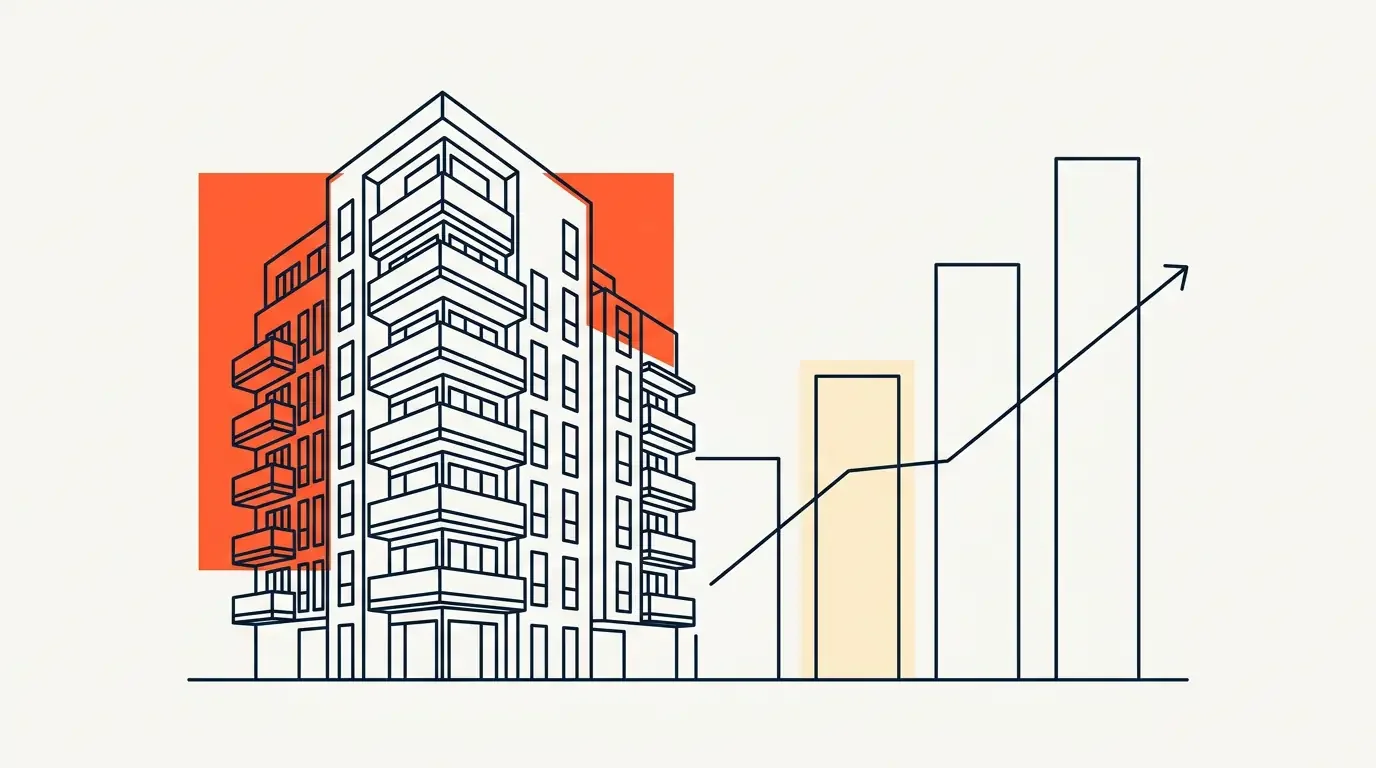
The real estate market in Belarus is attracting increasing numbers of Russian buyers. Clear legislation, the absence of a language barrier, and stable prices make purchasing property here a practical alternative. Real estate acquisition is becoming a popular choice for investors.
Why do Russians choose real estate in Belarus?
A transparent purchase procedure, well-developed infrastructure, and the ability of foreign citizens to freely acquire property are the main reasons for interest. The legal systems are also similar, which simplifies understanding local laws.
Main advantages
The legislation of the Republic of Belarus grants foreign citizens the same rights as local residents when acquiring property. The purchase procedure is clearly regulated—there are no hidden traps.
Relocation and purchasing are available to Russian citizens without special permits. The entire process takes from several weeks to two months, including checks and document processing.
Preliminary steps
Before buying an apartment in Belarus, you should:
- Decide on the region and city
- Study the features of the local market
- Calculate your budget including additional expenses
- Prepare a basic package of documents
- Choose a method for finding property
Current market situation
The real estate market in 2026 shows confident growth: in 2025, prices in Minsk rose about 21–24%, largely due to demand from Russians. Mortgage rates at Belarusian banks remain in the range of 15–17% per annum.
The following cities are particularly interesting for Russian buyers:
- Minsk – the capital with developed infrastructure and high living standards
- Brest – a city with rich history and proximity to the EU
- Grodno – a cultural center with unique architecture
- Vitebsk – affordable prices with good infrastructure
- Gomel – a major industrial center
In the following sections, we will examine all aspects of acquiring property: from legal nuances to practical recommendations for selection and processing.
Legal framework: Russian citizens' rights in a transaction
Legal status
The legislation of the Republic of Belarus allows Russian citizens to acquire real estate within the country. The main rights of buyers are governed by the Civil Code, the Law on the Legal Status of Foreign Citizens, the President's Decree on state registration, and the Housing Code.
Russian citizens' rights in a transaction
A Russian citizen has the right to acquire apartments on both the primary and secondary market. You can register property as private ownership, dispose of acquired property, bequeath and gift it, and rent out the apartment.
Existing restrictions
A transaction is subject to several restrictions. Personal presence is required when processing, or a notarized power of attorney. State registration of property rights is mandatory. Rules on migration registration for prolonged stays must be observed.
An important point about land: as a general rule, foreign citizens do not acquire land plots as property but lease them, while remaining owners of the building. When buying an apartment in a multi-apartment building, this does not apply—the land under the building does not transfer to the buyer in any case. However, within the Union State, property rights of Russian and Belarusian citizens are equal.
Document requirements
To complete the transaction, you will need a Russian Federation passport, a notarized translation of the passport (if required), documents confirming the legal origin of funds, and temporary registration at your place of residence if necessary.
State registration procedure
Registration of ownership rights includes submitting documents to the registration service, conducting legal expertise, recording the entry in the Unified State Register of Immovable Property, and receiving a certificate. The timeframe is 5 business days from the submission of all documents.
Buyer protection
The law provides several protection mechanisms. These include mandatory verification of legal clarity, insurance of risks in transactions, the possibility of judicial protection of property, and state guarantees when registering ownership rights.
Practical aspects
When making such an investment, you should take into account currency legislation in calculations, requirements for the form of the purchase agreement, processing timeframes, and property tax after acquisition. Each transaction requires careful attention.
The legal framework creates favorable conditions for foreign citizens. Clear regulation minimizes risks when completing a transaction.
The process of buying an apartment for Russian citizens
Required documents
You will need to prepare a valid passport, a notarized translation of your passport, a migration card if necessary, and temporary registration.
From financial documents, you will need an income certificate or a bank statement, documents on the origin of funds, and account details for payment.
Step-by-step instructions
Preparatory stage: determining your budget and requirements, choosing a district and type of residential property, monitoring prices.
Property search: working with a real estate agent or searching independently, viewing options, checking documentation.
Verification: examining technical documentation, checking legal clarity, assessing condition.
Concluding the transaction: preparing a purchase agreement, having documents notarized, processing payments. The buyer and seller sign all documents.
Registration: submitting documents to the registration office, receiving a certificate of ownership, arranging utilities.
Processing features
When buying on the primary market, you need to verify the developer's permits, review the project declaration, agree on transfer timeframes, and check warranty obligations.
On the secondary market, it is important to check the history of the apartment, identify possible encumbrances, verify the rights of the selling owner, and agree on transfer conditions.
Processing timeframes
Standard timeframes: finding suitable property takes 1–4 weeks, document verification takes 3–5 business days, concluding an agreement takes 1–2 days, state registration takes 5 business days, arranging utilities takes 2–3 business days.
Specifics of transaction registration
Processing occurs at the Agency for State Registration and Land Cadastre or territorial organizations. You must submit an application, provide a package of documents, pay the state fee, and receive documents confirming your ownership rights.
Steps after the purchase
After registration, you need to conclude agreements with utilities providers, install meters, register at a payment and settlement center, arrange property registration and insurance if necessary, and familiarize yourself with the house rules.
All documents must be in Russian or Belarusian. It is recommended to keep all documents related to the transaction.
Financial aspects
Payment methods
Available methods include cash payment through a bank window, use of a safe deposit box, or escrow with a notary. Cashless payment is also possible: bank transfer, use of a letter of credit, or international bank transfers.
Taxes and mandatory payments
You must account for state fees for processing the agreement, registering rights, and notarizing documents. Additional expenses include agent services (if engaged), payment for technical documentation, translation and notarization of documents.
The state fee is 0.5–1% of the property value.
Property tax
If you own only one residential property, you are exempt from property tax. When purchasing a second property, a tax applies, the size of which depends on the value. When selling, income tax may apply if you are not a resident of the Republic of Belarus.
Currency conversion
Transactions are conducted in Belarusian rubles. It is important to account for the specifics of converting Russian rubles and using foreign currency in payments. It is recommended to choose an optimal exchange rate, account for bank commissions, and plan currency operations.
Belarusbank offers various lending programs for individuals, including options for foreign citizens.
Price range by region
Minsk, city center:
- 1-bedroom apartments: from $110,000
- 1-bedroom apartments: from $150,000
- 2-bedroom apartments: from $200,000
Minsk, residential neighborhoods:
- 1-bedroom apartments: from $75,000
- 1-bedroom apartments: from $100,000
- 2-bedroom apartments: from $130,000
Regional centers (Brest, Grodno, Vitebsk):
- 1-bedroom apartments: from $50,000
- 1-bedroom apartments: from $65,000
- 2-bedroom apartments: from $80,000
Other cities:
- 1-bedroom apartments: from $27,000
- 1-bedroom apartments: from $38,000
- 2-bedroom apartments: from $49,000
Prices are updated for 2026; in 2025, the Minsk market grew approximately 21–24%.
Additional expenses
One-time payments include document processing ($100–300), specialist services (2–3% of the property value), and notary services ($50–150).
Regular payments include utilities, taxes for second and subsequent properties, and property insurance.
Financing options
Direct purchase with your own funds is possible, as well as installment plans from the developer. Financing is also available: mortgages with specific conditions and borrower requirements.
Recommendations for optimizing expenses
Choose the optimal time, monitor market prices, negotiate on the secondary market, choose a reliable developer when buying a new build, and optimize processing expenses.
Features of the real estate market in the republic
Market overview in major cities
The capital's market is characterized by diverse offerings. Prestigious districts include the Central District, Independence Prospect, the Nemiga area, and Zelenyi Lug. Developing neighborhoods are Kamennaya Gorka, Malinovka, Mikhalovo, and Uruchye.
Features of regional centers
Brest attracts with its proximity to the EU, developed infrastructure, and moderate prices.
Grodno is interesting for its historical architecture, ecologically clean neighborhoods, and affordable prices.
Vitebsk is a cultural center with a calm pace of life and attractive prices.
Gomel stands out as an industrial center with developed infrastructure and affordable housing.
Specifics of purchasing
Advantages of the capital market include stable demand and liquidity, developed infrastructure, high quality of new builds, and diverse offerings.
The center is distinguished by prestige and historic buildings with maximally developed infrastructure. New builds offer modern layouts and parking in developing infrastructure. Residential neighborhoods attract with affordable prices and abundant greenery in well-developed infrastructure.
New builds versus the secondary market
New builds offer modern layouts, new utilities, the possibility of installment plans, and underground parking. However, prices are higher, you must wait for the building to be completed, and there is a landscaping period.
The secondary market attracts with lower cost, developed infrastructure, the ability to move in immediately, and the possibility of negotiating. However, renovation may be necessary, layouts may be outdated, and utilities may be worn.
Market trends
Price trends show sustained growth in 2025–2026, seasonal fluctuations, and dependence on currency rates.
Demand for housing is characterized by popularity of compact apartments, interest in off-plan properties, and high demand for neighborhoods with developed infrastructure.
Development prospects
Construction is underway in new neighborhoods, transportation infrastructure is being developed, and existing buildings are being modernized.
Infrastructure development
Transportation accessibility includes metro, surface transportation, and cycling infrastructure. Social infrastructure is represented by educational institutions, medical centers, and shopping complexes. Amenities include parks, playgrounds, and sports facilities.
Practical recommendations for acquiring property
What to pay attention to when choosing
Location is a key factor. Check transportation accessibility: proximity to metro or public transport stops, convenient access to main highways, availability of parking.
District infrastructure should include schools and kindergartens, medical facilities, shops and shopping centers, recreational and leisure facilities.
Environmental conditions are also important: distance from industrial zones, presence of parks and green spaces, air quality.
Checking the building's condition
Technical characteristics include year built, wall material, condition of utilities, and capital repair plan.
Overall condition is assessed by the entrance, elevator operation, cleanliness of adjacent grounds, roof and facade condition.
Apartment inspection
During inspection, check technical aspects: condition of windows and doors, quality of electrical wiring, operation of plumbing, heating system.
Assess the layout: functionality of rooms, possibility of replanning, insolation of rooms, soundproofing.
Typical risks and ways to avoid them
Legal risks require document verification: ownership history, presence of encumbrances, rights of third parties, utility payment arrears.
Precautions include obtaining an extract from the Unified State Register of Immovable Property, verifying ownership documents, checking the seller's authority, and reviewing technical documentation.
Financial risks in payment require using secure payment methods, verifying document authenticity, and complying with currency legislation.
Hidden expenses may include utility arrears, unexpected repairs, and additional fees.
Checking documents and legal clarity
Mandatory checks include ownership documents, technical passport, extract from the house register, and a certificate of absence of arrears.
Additional checks include history of replanning, presence of arrests and encumbrances, verification of the seller, and spousal consent to the sale.
Negotiation tips
When preparing for negotiations, research market prices, prepare arguments for negotiating, and determine your conditions.
In the negotiation process, discuss price reasonably, document agreements, and discuss terms and conditions.
When professional assistance is needed
Specialist services include finding properties, organizing viewings, document verification, and transaction support.
Legal support is needed to verify legal clarity, prepare the purchase agreement, and provide transaction support.
Conclusion: key points of the purchase
Brief summary of main steps
The preparatory stage includes determining your budget, choosing a region, and preparing documents.
In the search and selection stage, you monitor the residential property market, view options, and verify the property.
Processing includes negotiating price, preparing documents, and concluding an agreement.
The final stage includes registering rights to the property, arranging utilities, and moving in.
Useful contacts and resources
Government agencies: National Cadastral Agency, Agency for State Registration, territorial registration services, citizenship and migration departments, consular institutions.
Professional market participants: licensed agencies, certified specialists, notary offices, legal consultations.
Final recommendations
When choosing an apartment, carefully verify required documents, assess the property's condition, and consider location and infrastructure.
When processing, use secure payment methods, engage professional lawyers, and comply with all legal formalities.
After purchase, promptly process all documents, conclude service agreements, and familiarize yourself with house rules.
Signs of a successful transaction
Legal aspects include a complete set of properly executed documents, absence of claims from third parties, and successful establishment of ownership rights.
Technical aspects include the property's compliance with stated characteristics, working order of all systems, and absence of hidden defects.
Financial aspects include compliance with price agreements, transparency of all payments, and absence of additional expenses.
Prospects for property ownership
Options include personal residence, property management, transfer of rights by inheritance, and investment potential. Important: buying an apartment or house by itself is not considered an investment that gives the right to a residence permit—to obtain an "investor" permanent residence permit, you need to invest at least €150,000 in investment activities (ordinary apartment purchase for personal use does not qualify).
Advantages include stability of the real estate market in the republic, infrastructure development, and high quality of life.
Features of obtaining a residence permit
Buying an apartment by itself does not automatically grant resident status. However, ownership provides the opportunity to obtain temporary residence permission for up to one year. To obtain permanent residence (permanent residence permit) as an investor, you must invest at least €150,000 in the country's economy; ordinary apartment purchase for personal residence does not qualify.
What documents are needed for long-term residence
For extended stay, you must have official resident status or residence permission, arrange registration, and have legal grounds for residence.
Owners can obtain temporary registration, which allows them to legally stay in the country.
Property management
After acquisition, a house or apartment owner has the right to use the property for personal residence, rent it to others, transfer rights by inheritance, and sell it at their discretion.
When renting the property, the owner must conclude a rental agreement and pay income tax on received income.
Preliminary agreement
Before concluding the main transaction, the parties may sign a preliminary agreement that fixes the intentions of the parties and the main conditions of the future purchase. This allows you to reserve the property and guarantee conclusion of the transaction on agreed terms.
Land plot for a country house purchase
When buying a country house, note that a foreign citizen can only lease the land plot for up to 99 years. A Belarusian citizen has the right to own land, but this is not provided for foreign citizens under the legislation.
Acquiring property is a process requiring careful attention and compliance with all formalities. With proper organization and following acquisition recommendations, the purchase is successful and becomes a worthwhile investment.
Buying real estate in Belarus in 2026 remains an attractive option thanks to a stable economic situation, transparent legislation, and developed infrastructure. Purchasing property is accessible both for those planning relocation and for investors.
Registration occurs quickly, and the opportunity to buy an apartment exists both in the primary market of new builds and on the secondary market. However, the choice between them depends on your priorities and budget.